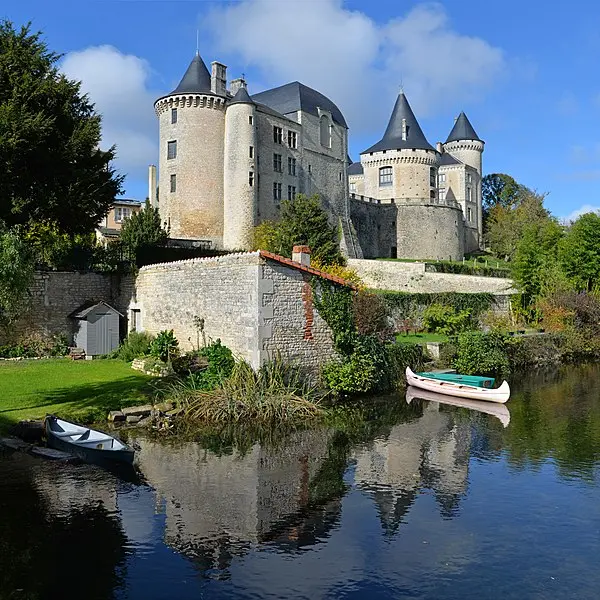
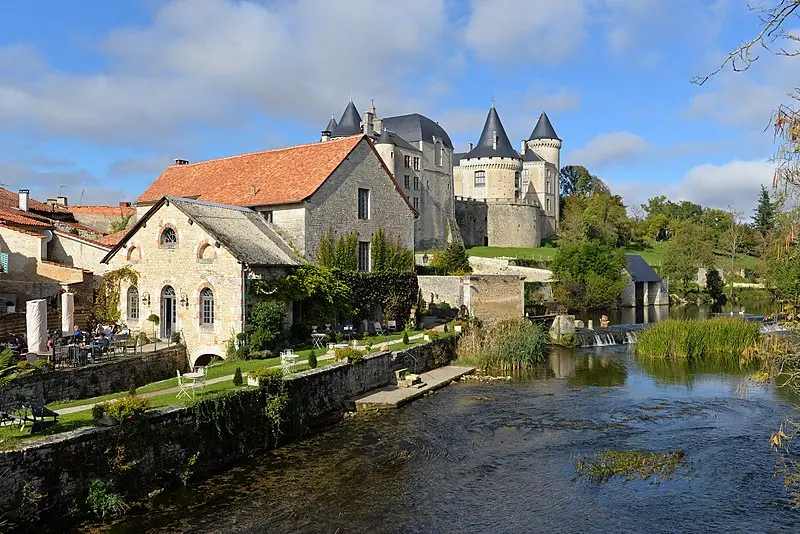
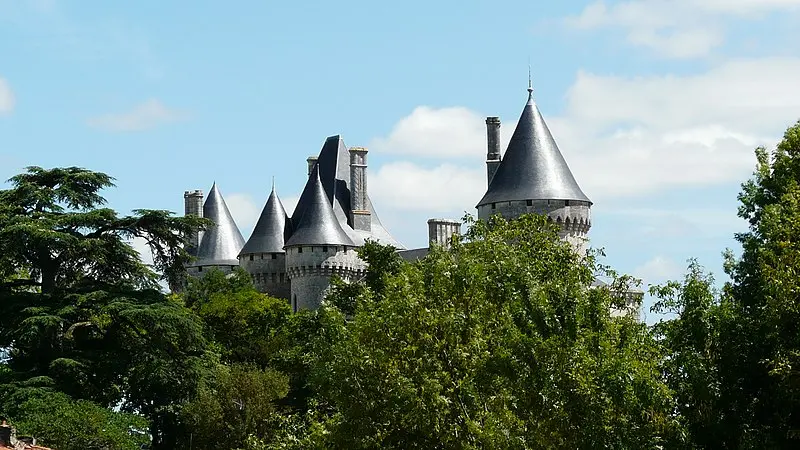
Verteuil-sur-Charente : Castle
CharenteReference
PA00104534
Latitude
45.98250781
Longitude
0.23054123
Address
32 Rue des Halles 16510 Verteuil-sur-Charente
Construction era
11e siècle;12e siècle;15e siècle;19e siècle
Protection date
2017/04/04:classé MH
Protection cause
En totalité, le château de Verteuil, avec le sol de la cour intérieure et l'emprise des fossés au nord pouvant receler des vestiges archéologiques (cad. D 107) : classement par arrêté du 4 avril 2017
Description
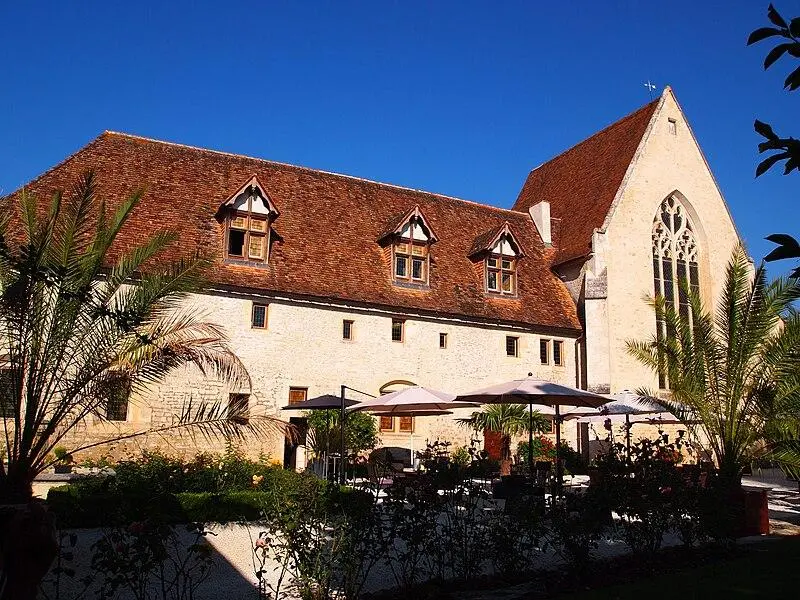
The Château de Verteuil is mentioned in 1080 as belonging to the La Rochefoucauld family. In 1332, King Philippe VI stayed there. From 1360, he was almost always occupied by the English until he was reconquered by King Charles VII in 1442. At the end of the Revolution, the elder branch of the La Rochefoucauld took over the castle. From 1558 to January 1616, he successively welcomed King Henri II, the future Henri IV, Catherine de Médicis and his daughter, the Queen of Navarre, as well as Louis XIII, Anne of Austria and the Queen Mother Marie de Médicis. In 1793, the castle was destroyed, then restored in the first half of the 19th century. Subsequent facilities have been made, including those of the chapel, and several significant archaeological discoveries have been made. This imposing structure is designed on a triangular plan, with a large round tower at its end, a medieval entrance chatelet and two wings of housing. A separate tower, housing the library on two floors, divides the wall is in the center. The buildings located southeast were little affected by the 19th century restorations, with the exception of the Chapel. There are also several walls of the old 12th century dungeon, partially modified in the 15th century. A Romanesque chapel was also discovered in this set. The park, redesigned in the 19th century, had many entrances, surrounded by dry stone walls delimiting its perimeter. These arrangements have disappeared, as is the richness of the 18th century garden. However, some traces remain, such as boxwood, some alleys, basins of the two terraces and rockery elements.