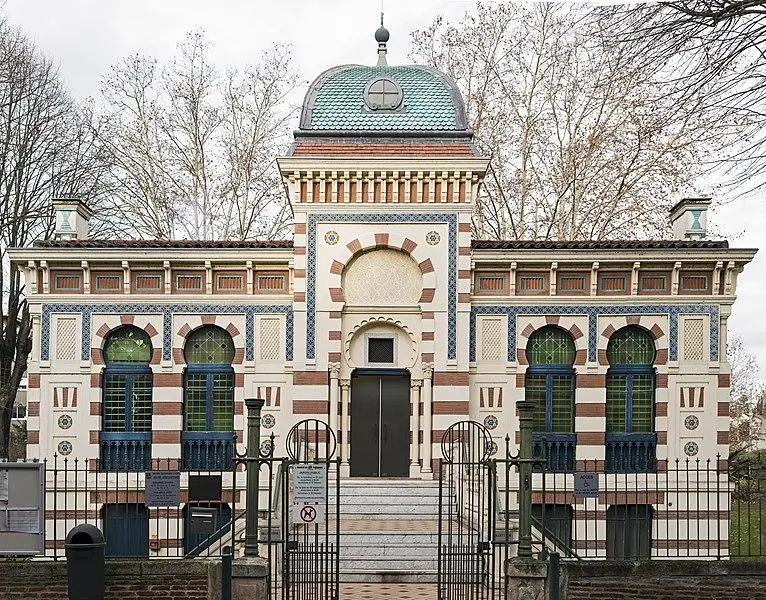
Toulouse : Georges-Labit museum
Haute-GaronneReference
PA31000123
Latitude
43.591111
Longitude
1.458472
Construction era
4e quart 19e siècle
Protection date
2021/12/14 : inscrit MH
Protection cause
Les façades et toitures du musée et de la conciergerie, les parcelles n° 211, 222 et 223 figurant au cadastre 814 AC constituant l’emprise du jardin, ainsi que le mur de clôture et les quatre portails le long des rues des Martyrs de la Libération, du Japon et du boulevard Montplaisir, tel que délimité en rouge sur le plan annexé à l’arrêté : inscription par arrêté du 14 décembre 2021
Description
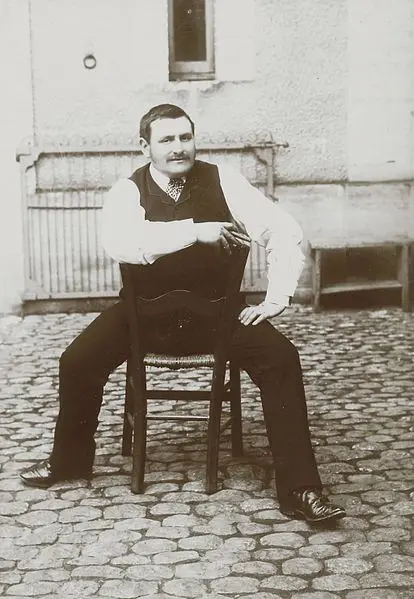
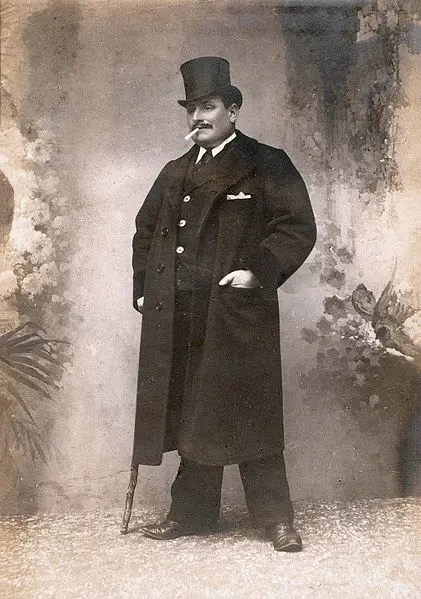
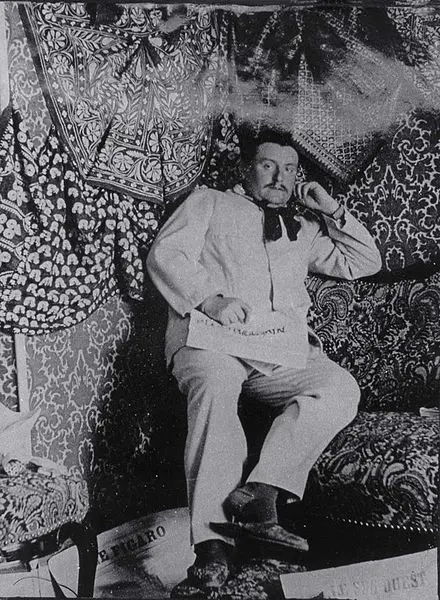
Louis Victor Georges Labit (1862-1899) is the eldest son of Antoine Labit, a merchant who founded the first department store in Toulouse, "La Maison Universelle", located rue d'Alsace-Lorraine. In 1879, he was sent to the Paris Business School, but quickly abandoned his studies to work with his father's suppliers. After having accumulated many debts, he left Paris for Saint-Etienne, then, again indebted, he was placed under the supervision of his father in 1883, until his death. Although he wishes to join the family business, his father takes him away from Toulouse. Understanding his interest in travel, he entrusted him in 1884 the mission to seek new articles for trade. In parallel with this mission, Georges Labit begins to buy various traditional and utility objects to build a collection. Between 1884 and 1888, he traveled to several countries, including Austria, Germany, Belgium, the Netherlands, Spain, Venice, Central Europe, as well as in Tunisia, Algeria, England and Scandinavia. In 1889, he visited Japan for the first time, in order to select objects for the Far East section of "The Universal House". From this trip, he reports many ethnographic pieces, which he plans to exhibit in his museum. The latter is designed in an oriental architectural style which will distinctively mark the Toulouse landscape.