Reference
PA56000070
Latitude
47.668333
Longitude
-3.215278
Address
26 Lotissement Mane Vechen 56680 Plouhinec
Construction era
Gallo-romain
Protection date
2010/05/12 : classé MH
Protection cause
Les vestiges et aménagements associés de la villa, ainsi que le sol de la parcelle ZR 493 sur lequel ils sont situés : classement par arrêté du 12 mai 2010
Description
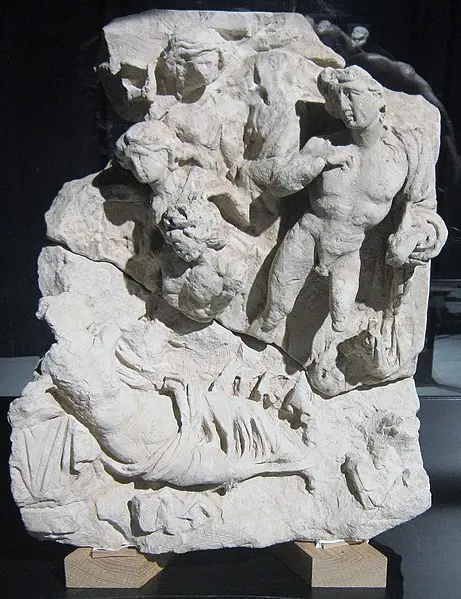
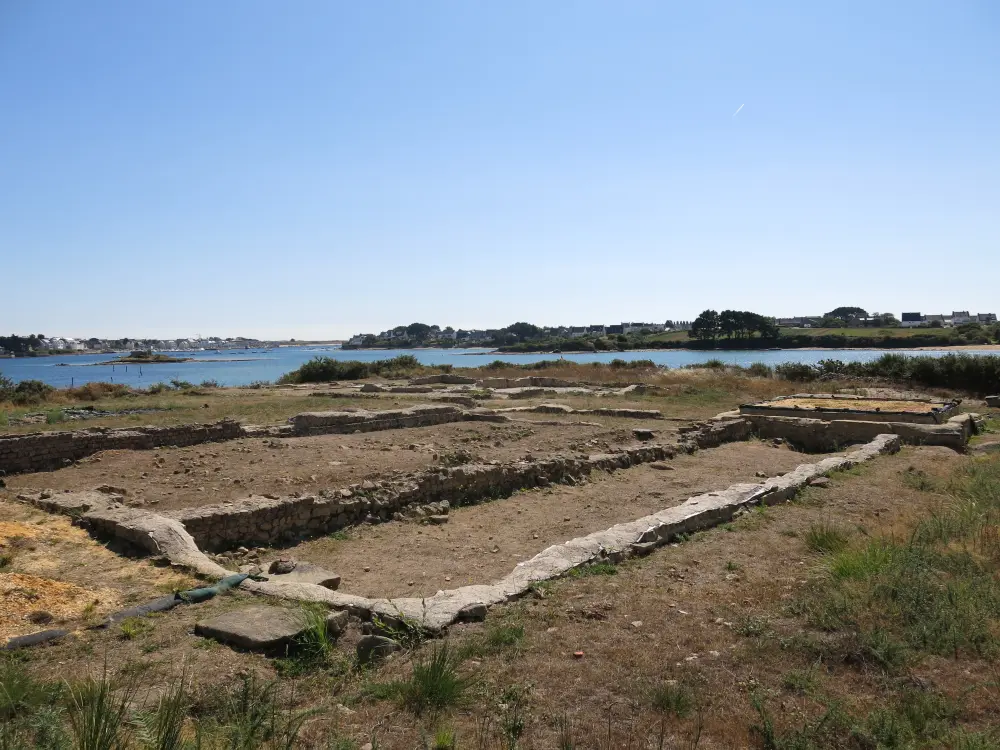
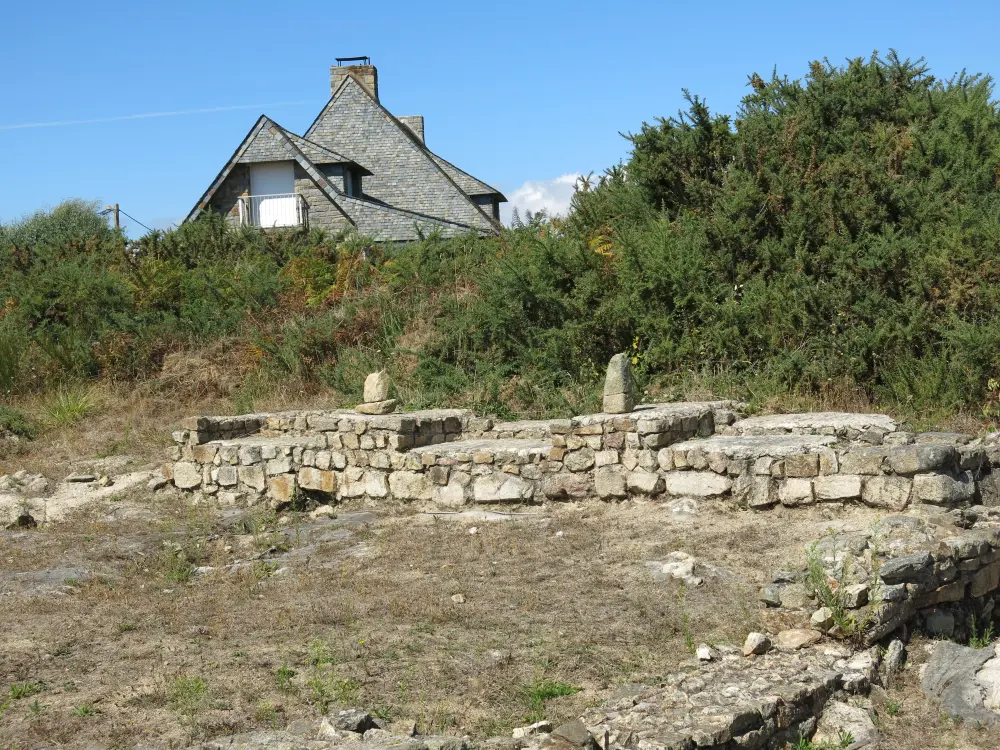
This small old establishment is located by the sea and is organized around a courtyard. It is reached by a porch located in the south. Two rooms with decorated ceilings allowed to enter the villa. In the East is a small patio where a treasure of coins has been discovered. A large reception room was located in the south wing, and in the west wing, two other rooms are accessible by a corridor. The rich decor of the south room represents Venus surrounded by two loves, accompanied by panels imitating marble. The east and north wings, without portico, give directly to the courtyard, which is surrounded by four reception rooms and a corridor. In the center, the courtyard is organized around an octagonal basin. At the back of the north wing, there are three rooms: a kitchen, a cellar and a small apartment. A winter garden was fitted out in the southern part. In the southwest of the establishment is a small building similar to a silo, with a double wall to regulate the temperature of the building. Construction dates from the end of the 2nd century. It experienced a different occupation at the end of the 3rd century and at the beginning of the 4th century, with traces of butcher's shop and coins found. This establishment does not correspond to the classic definition of a villa; It could be the headquarters of a company operating maritime resources, such as the production of salt and salary products, acting in a way as a chamber of commerce.