Reference
PA00099789
Latitude
45.416517
Longitude
2.331467
Address
5040 B Au Bourg 19160 Liginiac
Construction era
12e siècle;17e siècle
Protection date
1930/12/22 : classé MH
Protection cause
Eglise : classement par arrêté du 22 décembre 1930
Description
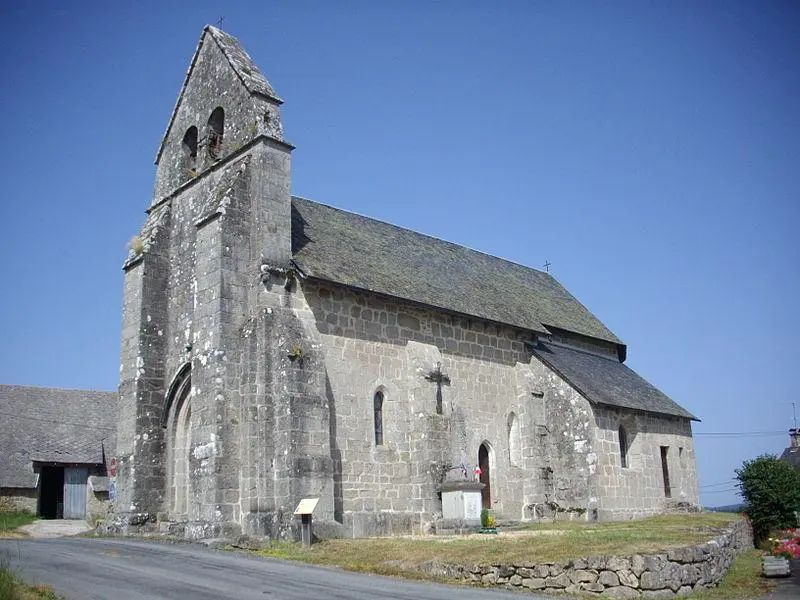
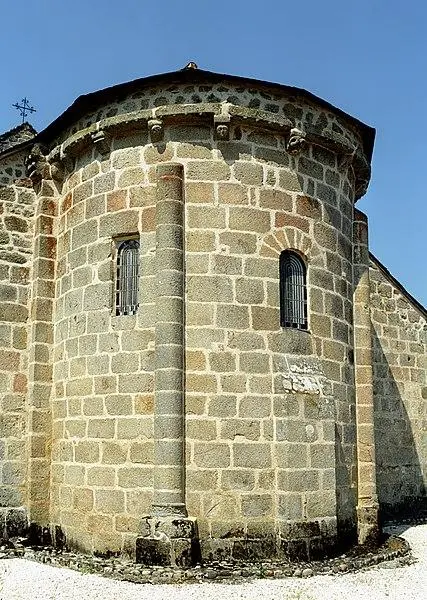
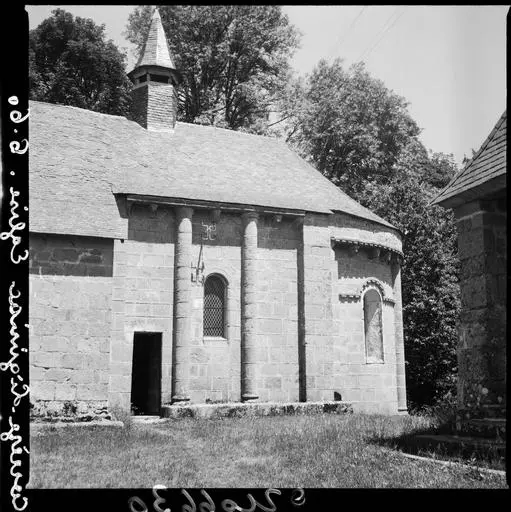
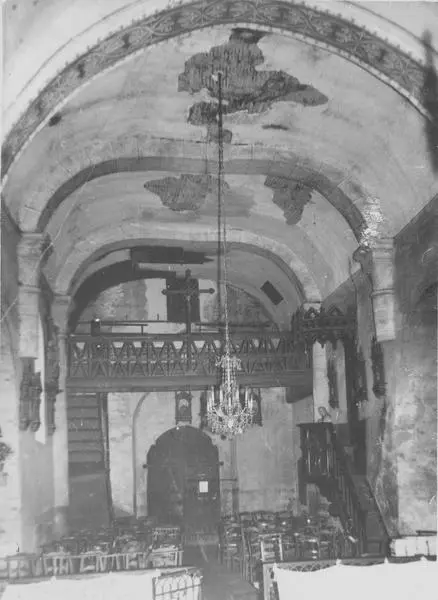
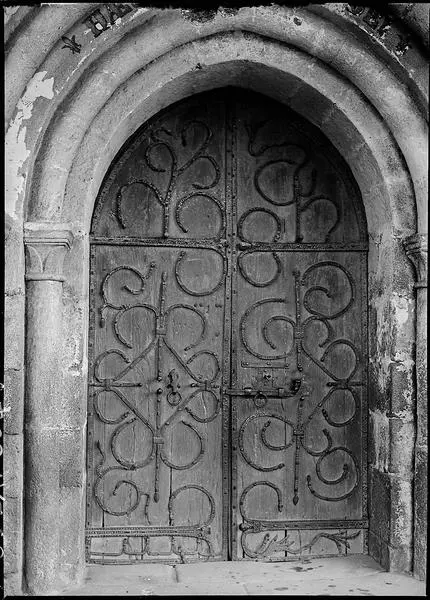
Small building whose construction dates back mainly in the 12th century, with the addition of side chapels in the 15th century. The apse, semi-circular in shape, is lit by three arched windows and has a cornice decorated with billets, accompanied by complete baskets and a cord also adorned with billets. Inside, there are seven arches supported by six columns, which have sculpted bases and capitals. The sculptures of the capitals are in perfect condition, just like the fitted fittings on the gate leaves. The choir, square in shape, is separated from the apse by a triumphal arch, whose columns are each surmounted by a sculpted marquee representing the Virgin and the child in danger against the dragon of the Apocalypse, defended by Saint-Michel on one of them, while the other illustrates a scene of hell. The nave, dating from the beginning of the 13th century, is vaulted as a slightly broken cradle, with doubts based on half-columns with sculpted capitals. The portal, also from the beginning of the 13th century, is distinguished by four columns with capitals decorated with water leaves and toric bases.