Reference
PA00103327
Latitude
44.03697957
Longitude
4.69143566
Address
5 Rue des Pastres 30126 Lirac
Construction era
10e siècle;11e siècle
Protection date
1992/03/31 : classé MH
Protection cause
Eglise basse, dite aussi crypte de l'église paroissiale, y compris son décor peint (cad. D 160) : classement par arrêté du 31 mars 1992
Description
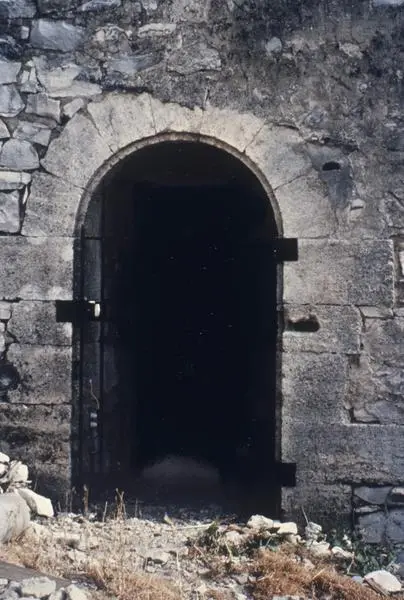
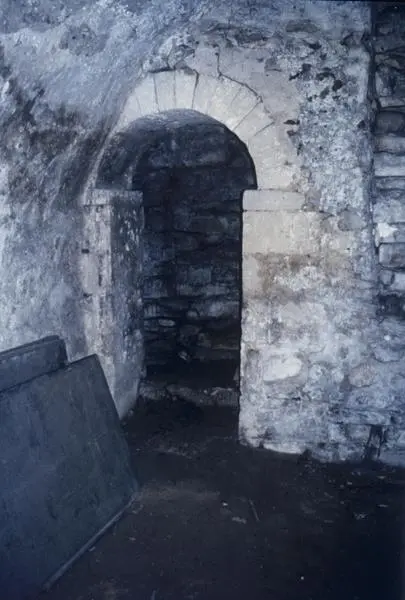
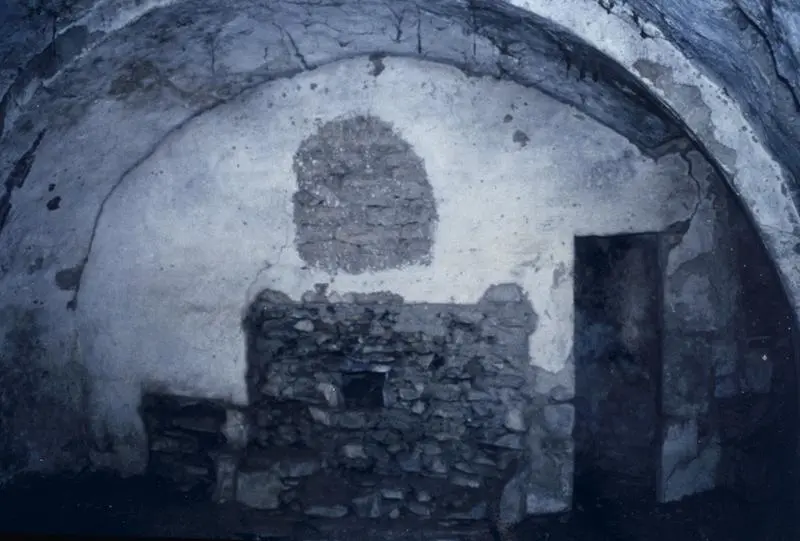
In 919, Lirac was given to the Notre-Dame des Doms d'Avignon church. In 1118, a papal bubble of Gelase II referred to Lirac as part of the possessions of the Saint-André monastery in Villeneuve-lès-Avignon. The single nave, with its semicircular vault, evokes medieval churches. The side chapels, which form a transept, were added later, thus modifying its medieval appearance. To the west, a platform was built and the window extended. In the east, in 1858, the small semi-circular apse was replaced by a choir with a vaulted wandering of sweatshirts, supported by columns. In 1897, composite capitals and faces were sculpted. The crypt seems to represent an ancient church. It is accessed on one level by the southeast side of the church, with a door in the southwest corner, near the castle, which could indicate that it was a castral chapel on which a church dedicated to Saint-Pierre was built in the Middle Ages. This crypt has a nave and a semi-circular apse vaulted in oven ass, with an axial window. The dating of this first construction could be done by the door, the arc of which rests behind on the pedestal, a technique common in the 11th century characteristic of pre-Roman architecture. The vaulted building is entirely decorated with the soggy. An ornament highlights architecture, which was to be continuous. In the apse, there is a blessing Christ, holding a holy book, surrounded by a rich mandorle, with four standing characters on each side. Phylactera accompany them, but only one is readable: Grégoire. Another could indicate Benedictus. The other two characters are very damaged due to the construction of a wall at the triumphal arch, which contains a door connecting the nave and the apse. All the faces, except that of Christ, have been stained. These paintings have suffered deterioration near the current access and the vault, showing that direct communication existed between the church and the crypt. This access was then badly rebuilt. The old door in the southwest corner leads to a staircase partially dug in the rock.