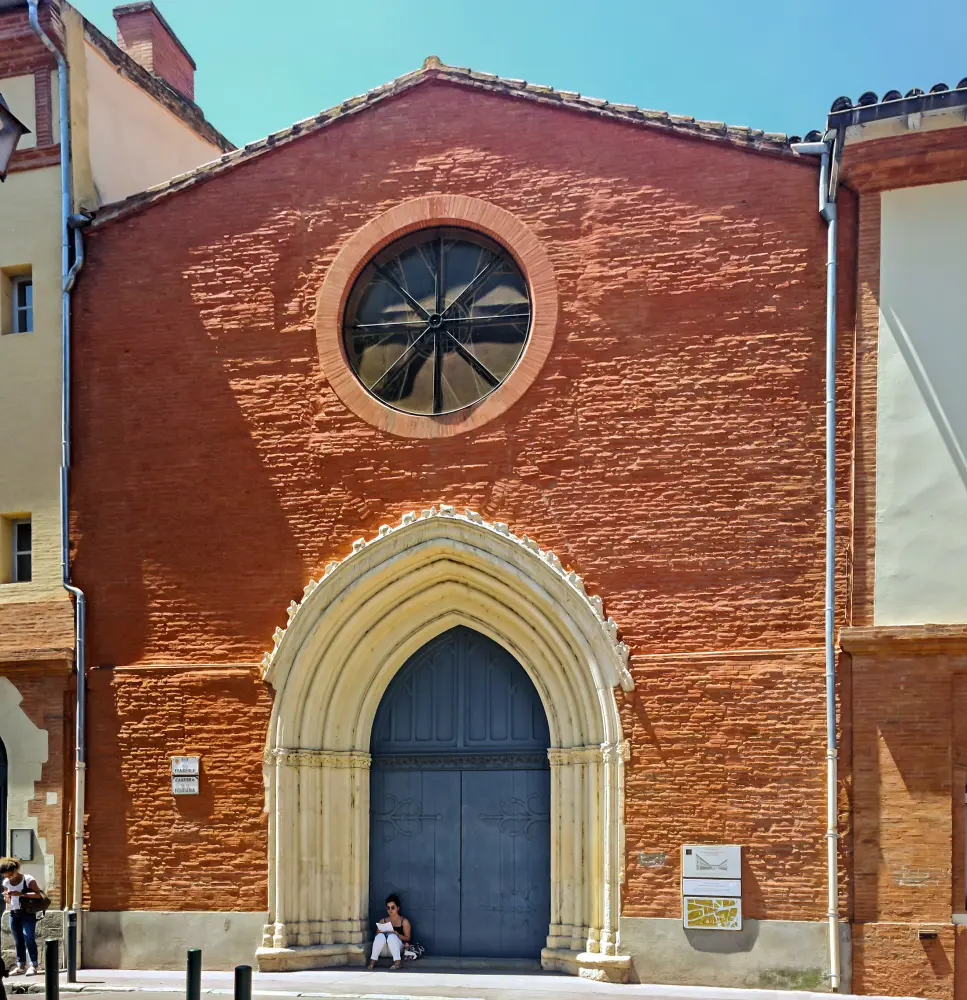
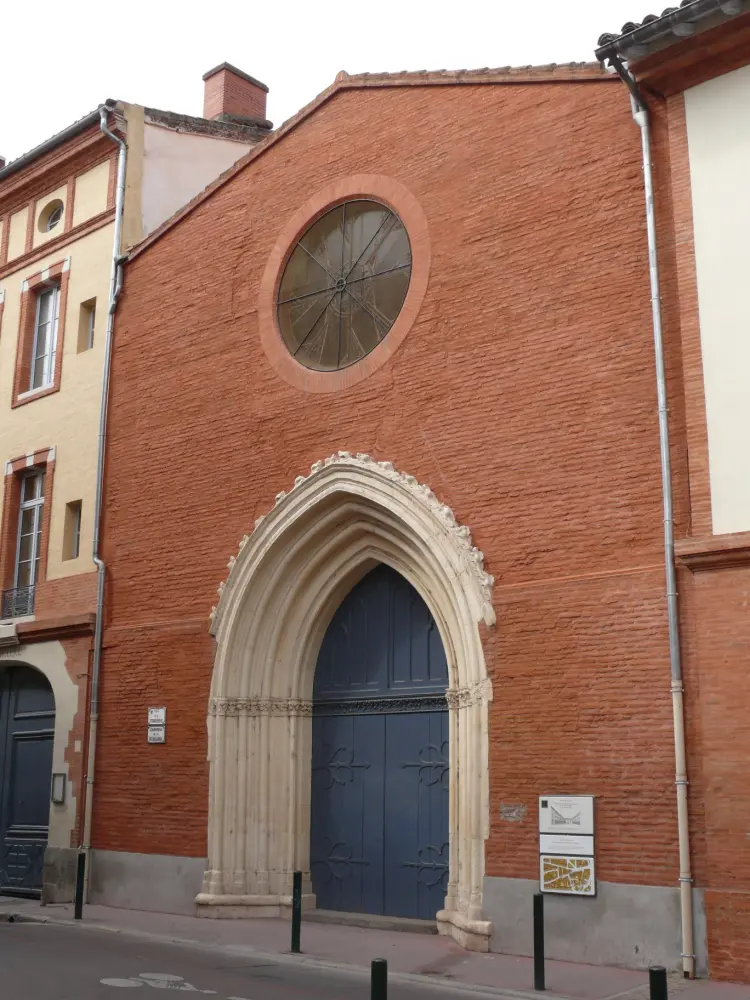
Toulouse : Cannon foundry, currently Catholic Institute
Haute-GaronneReference
PA00094632
Latitude
43.595397
Longitude
1.442956
Address
29 Rue de la Fonderie 31000 Toulouse
Construction era
Gallo-romain;4e quart 18e siècle;1ère moitié 19e siècle;1er quart 20e siècle
Protection date
1963/12/11 : classé MH ; 1996/04/12 : inscrit MH
Protection cause
Partie du rempart gallo-romain sous la façade postérieure de l'Institut catholique (cad. II 218p) : classement par arrêté du 11 décembre 1963 - Fresque de Marcel Lenoir de la salle des évêques de l'Institut catholique (cad. 816AB 435) : inscription par arrêté du 12 avril 1996 - Vestiges de la fonderie de canons situés en partie basse du bâtiment ouest ainsi que dans les ailes en retour et comprenant les fours et tous les dispositifs s'y rattachant, ainsi que les ventouses, cheminées, ateliers techniques et rampes d'accès pour trinqueballes (cad. 816AB 435) : inscription par arrêté du 12 avril 1996
Description
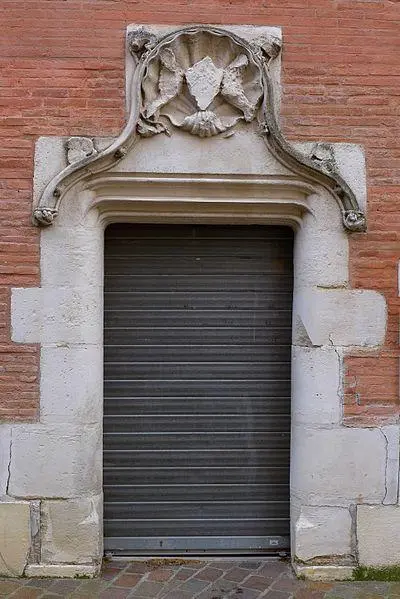
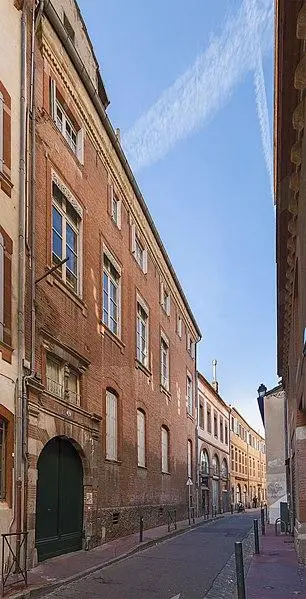
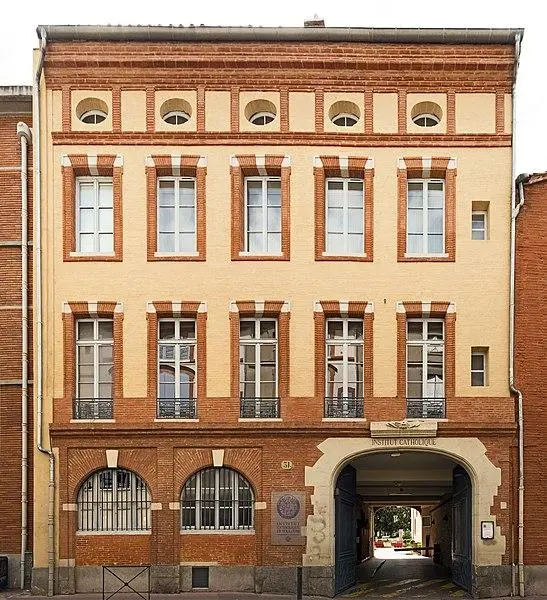
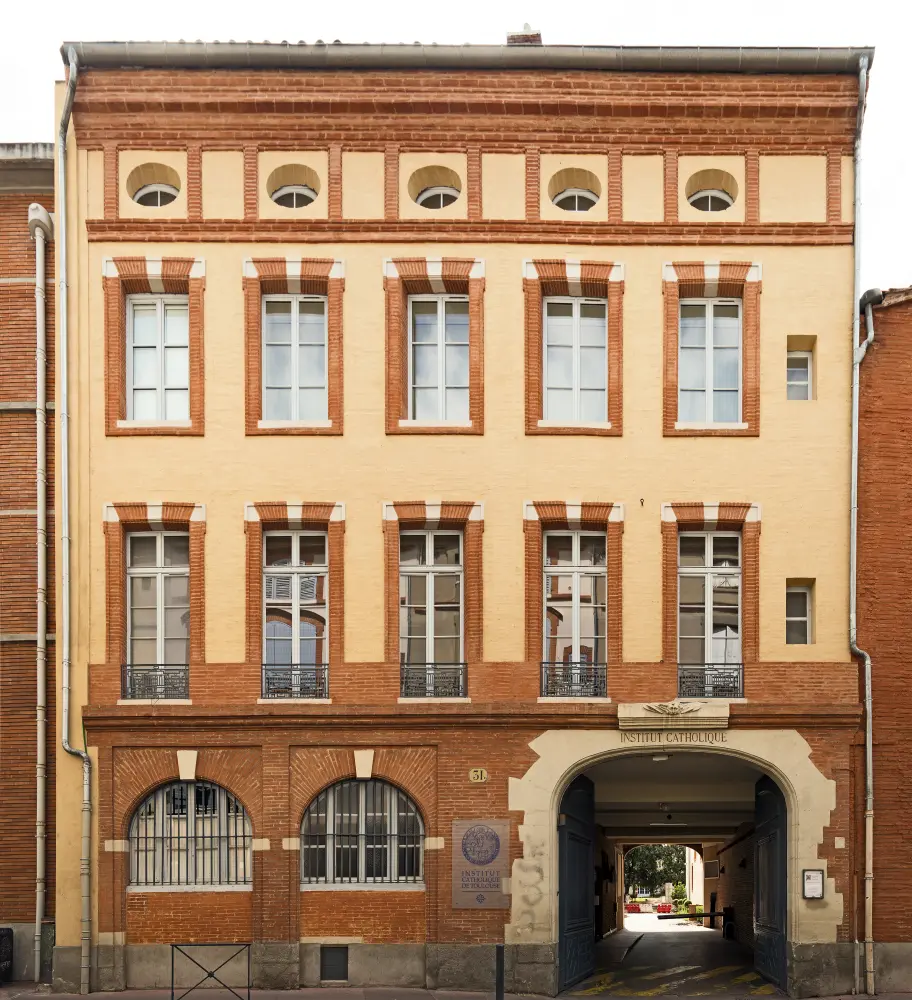
Established in 1793 in a former Clarisse convent which was adapted to its new function, the workshop for manufacturing cannons in Toulouse, now known as the Catholic institute, was under the direction of Dupont, the commissioner in charge of the Navy. There are still significant traces of this period of activity. There are, for example, two long corridors called "suction cups", where three circular ovens were installed, as well as chimneys, technical workshops and access ramps for trinqueballes (which are artillery parts). In 1825, a forge was added, some parts of which were still visible for about 70 meters. The foundry closed in 1866, but it was bought thanks to a fundraising. In 1877, she was converted to university. Significant work was carried out by the architect Henri Bach in the last quarter of the 19th century, then again around 1930 by the architect Pierre Fort.