Reference
PA00083832
Latitude
44.768677
Longitude
-0.31178
Address
8 Place Saint-Jean 33670 La Sauve
Construction era
12e siècle;13e siècle
Protection date
1929/04/12 : classé MH ; 2002/04/09 : classé MH
Protection cause
Les restes de l'ancienne église ; le terrain rectangulaire de 21 mètres sur 29 mètres situé au sud de la nef, limité au nord par le mur méridional de l'église, au sud, à l'est et à l'ouest par des murs anciens ; terrain situé à l'est de l'église jusqu'à la route de la mairie, à Gouffreteau ; terrain situé à l'ouest de l'église sur une profondeur de 2 mètres environ et limité vers le nord par des bâtiments modernes : classement par arrêté du 12 avril 1929 - Les parties non encore classées de l'abbaye (cad. AP 120, 121, 124 à 127, 130, 202, 203, 274 à 276, 278) , y compris la grange dîmière (cad. AP 277) : classement par arrêté du 9 avril 2002
Description
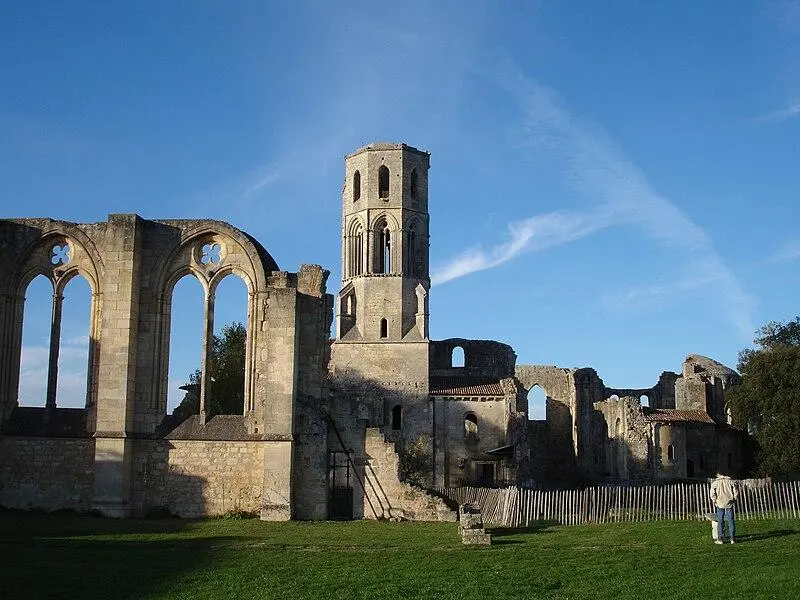
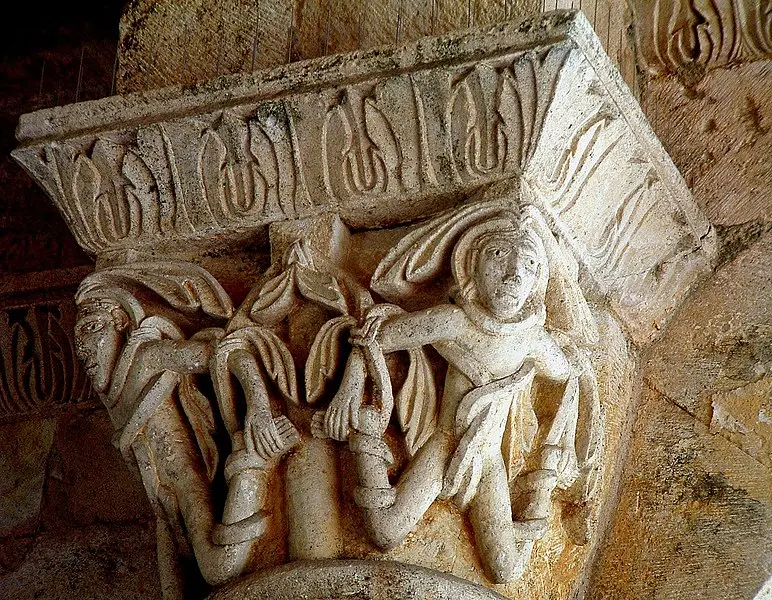
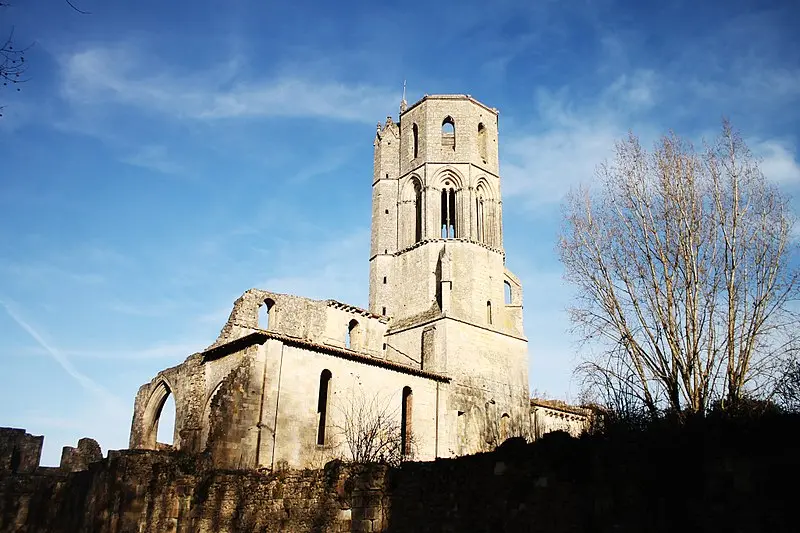
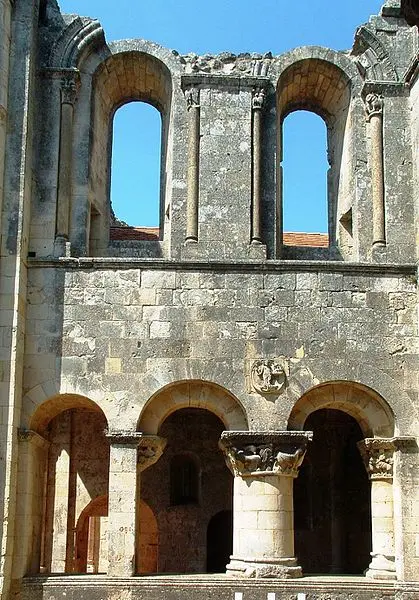
The abbey was founded in 1080. The Romanesque vestiges of the cloister date from 1130 to 1140. Abbey buildings, dating from the 13th century, were partly destroyed during the Hundred Years War. At the end of the 17th century, a partial reconstruction was carried out by the Maurists. Between 1793 and 1795, she served as a prison, followed by looting and the destruction of the monastery. From 1838 to 1858, a religious college was established there, including the construction of the south wing and the extension of the west wing. The normal school operated from 1860 to the fire in 1910. From the 1960s, the 19th century buildings were demolished, while the medieval parts were consolidated. The western wing, built at the end of the 17th century on older structures, was revised in the 19th century and suffered a fire in 1910. The eastern part, on which the refectory rested, preserved Romance structures. The 19th century additions were built on medieval bases. For the refectory, there are Romance vestiges as well as a reconstruction of the 13th century. The abbey barn is a building in the 14th and 15th centuries, built on older foundations. The Saint Gérard fountain is very old. The closing walls, erected at the end of the 17th and early 18th century by the Maurists, are located on the site of the medieval enclosure. The garden contains the foundations of several missing buildings, such as the cloister.