Faye-la-Vineuse : Château de la Grillière
Indre-et-LoireReference
PA00097749
Latitude
46.9456
Longitude
0.351
Address
172 Cht de la Grilliere 37120 Faye-la-Vineuse
Construction era
16e siècle;17e siècle
Protection date
1953/09/16 : inscrit MH
Protection cause
Les façades et les toitures (cad. ZK 48) : inscription par arrêté du 16 septembre 1953
Description
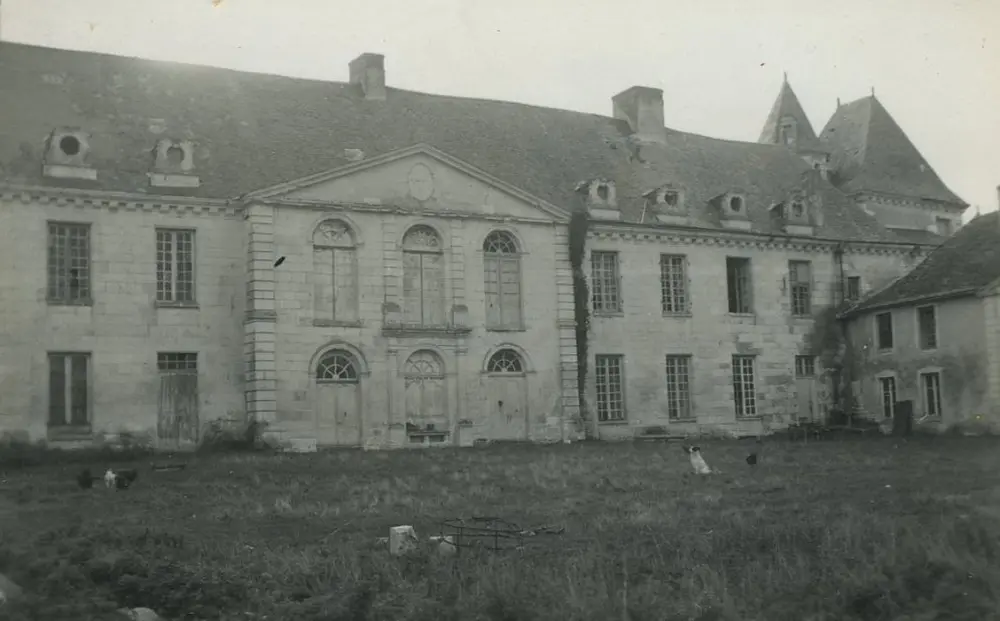
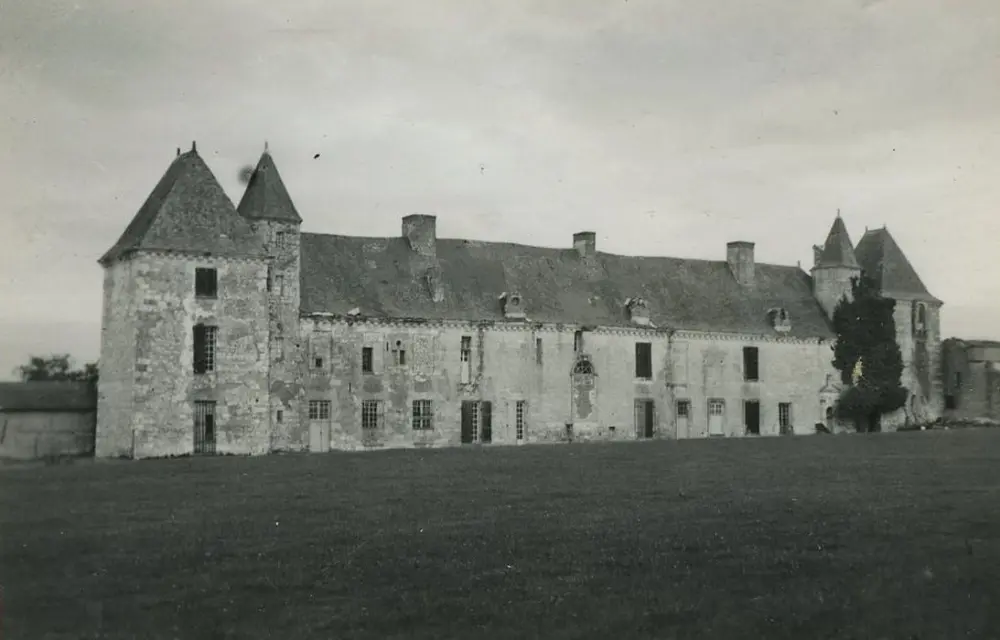
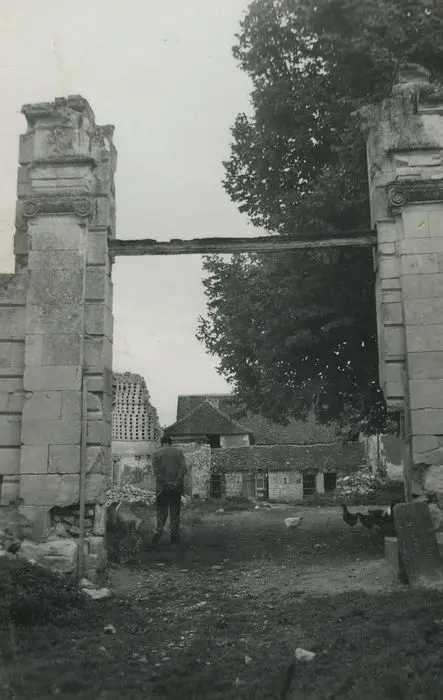
Former area linked to Faye-la-Vineuse, it was once surrounded by a large wall enclosure, a large part of which is still visible to the northwest and southwest. The castle has a long building dating from the end of the 16th century, extending between two rectangular pavilions, each connected by a polygonal staircase. In the 18th century, the central part of the northeast facade, which overlooked the courtyard, was modified with the addition of a pre-corps surmounted by a triangular pediment. Two wings are perpendicular to this northeast facade. The northern wing, which delimits the courtyard, is older than the castle and dates from the 16th century, just like the Renaissance pilasters of an adjacent door and a cylindrical tower. On the other side, the courtyard is bordered by a symmetrical wing used for utility purposes, extended by other buildings of the same function, which connect it to a ruined dovecote dating from the beginning of the 16th century.