Reference
PA00109526
Latitude
48.06920557
Longitude
-0.77154097
Address
52 Rue du Val de Mayenne 53000 Laval
Construction era
2e quart 16e siècle;milieu 19e siècle
Protection date
1840 : classé MH ; 2006/03/07 : inscrit MH
Protection cause
Le Château Neuf : classement par liste de 1840 - Les éléments suivants composant le Château Neuf : les façades et toitures de l'aile sud ; l'ancienne salle des pas perdus ; l'escalier principal (cad. CI 67, cf plan annexé à l'arrêté) : inscription par arrêté du 7 mars 2006
Description
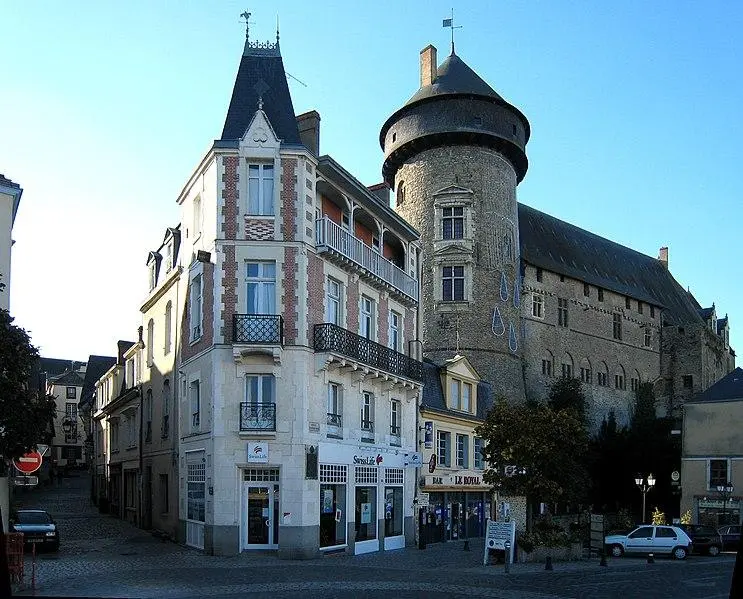
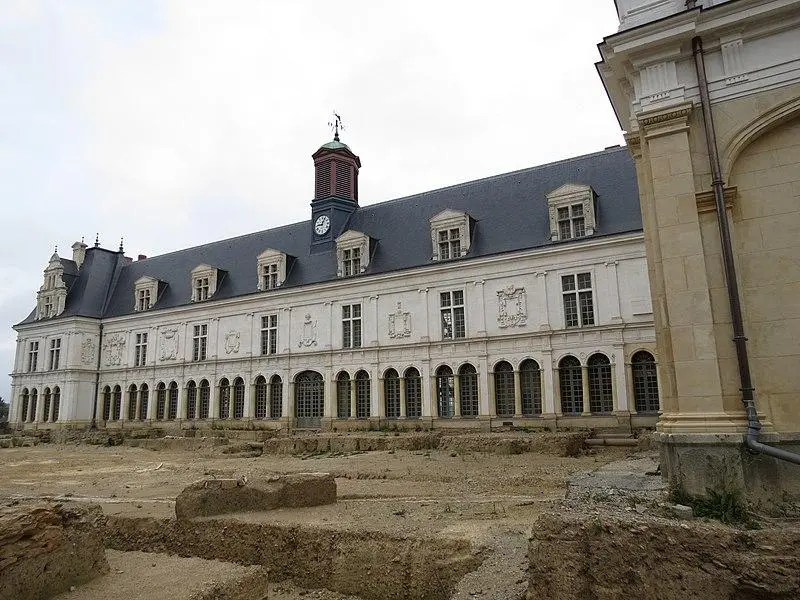
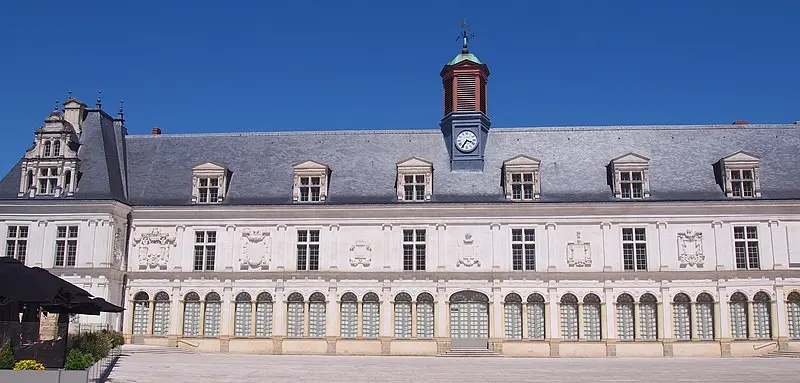
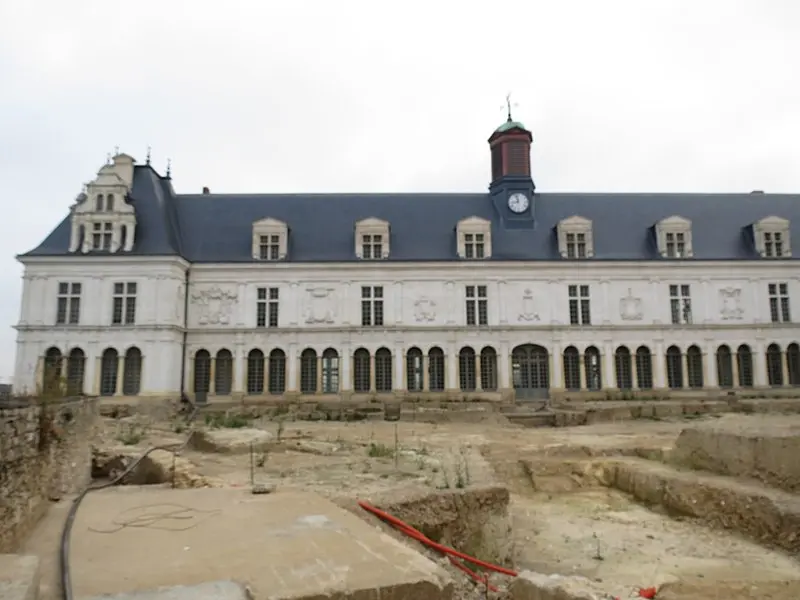
Established in a strategic location since the beginning of the 11th century and refurbished in fortification at the end of the 12th century, the Château de Laval remains mainly military until the Hundred Years War. Subsequently, arrangements for residences follow one another, with a first phase around 1460, followed by the construction of the gallery of the Château Neuf from 1542. This Renaissance style gallery, which overlooks the Mayenne, is made of tuffeau stone. After the revolution, it is modified to become a courthouse. Between 1851 and 1857, two pavilions were added as well as a wing which extended the building on the south side. The work is carried out by the architect Pierre-Aimé Renoulx, and the six spans of the new building are inspired by the decor of the gallery dating from the middle of the 16th century.