Perpignan : Former great seminar
Pyrénées-OrientalesReference
PA00104089
Latitude
42.7003
Longitude
2.8974
Address
5 Rue de l'Horloge 66000 Perpignan
Construction era
14e siècle
Protection date
1910/06/30 : classé MH
Protection cause
Les murs du cimetière Saint-Jean dit "Campo Santo" et la chapelle Saint-Jean-l'Evangéliste dite "Funeraria" : classement par arrêté du 30 juin 1910
Description
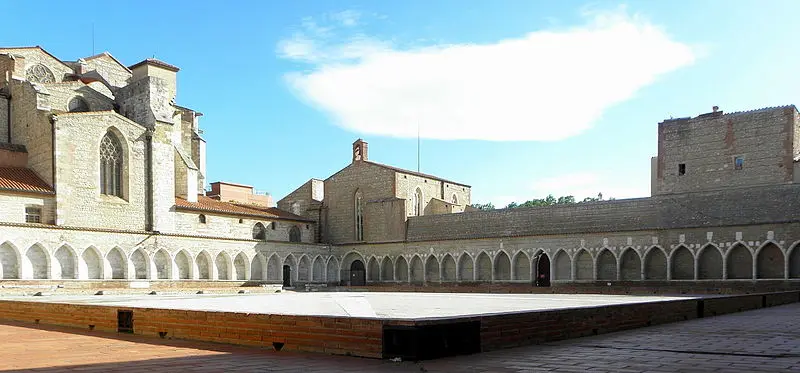
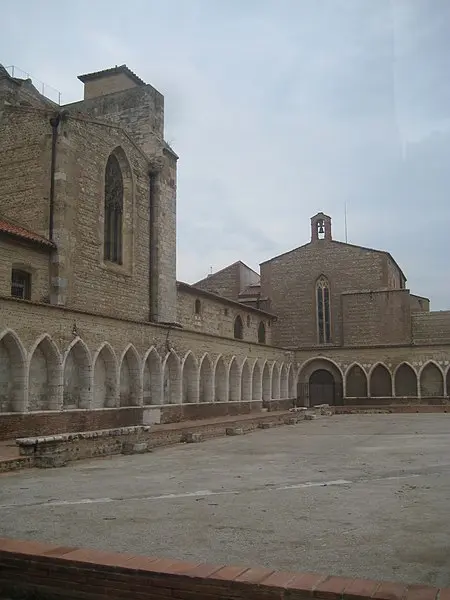
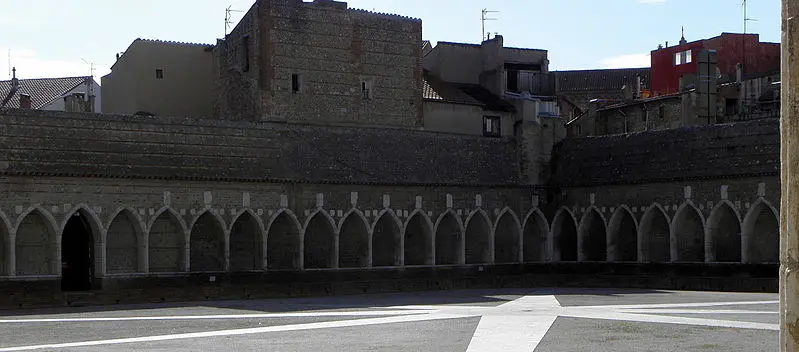
The former great seminar includes the Saint-Jean chapel the evangelist as well as a gallery which forms a cloister, adjacent to the cathedral. This gallery was originally a quadrilateral, but today only three of its sides remain, the west side having been demolished in 1826 to allow the enlargement of the seminar. The walls of the old Saint-Jean cemetery present a continuous series of arcatures side by side, each serving as a tomb. These arches create niches and contain many interesting inscriptions in Latin or novel. The tombs date from the middle of the 14th century and are distinguished by their unique disposition in France. This gallery provides access to the spiral staircase which leads to the roofs of the cathedral, the chapter room, as well as to the various dependencies located north and east of the building. The chapel, called La Funeraria, opens on the Eastern Galerie from the cloister and was completed around 1396. It is a building with a single nave, without side chapels, with a vault of warheads, decorated with butts decorated with leaves and human heads. His name, Funeraria, comes from a Spanish tradition according to which the deceased were placed in their coffins for a night before their burial.