
Reference
PA83000021
Latitude
43.571864
Longitude
6.332181
Address
9007 Les Treilles 83690 Tourtour
Construction era
2e moitié 20e siècle
Protection date
2009/07/17 : inscrit MH
Protection cause
La totalité de l'ensemble bâti et paysager correspondant à la zone agricole (1 NC) du plan d'occupation des sols des communes de Tourtour et Flayosc, y compris trois oeuvres de Yassilakis Takis intitulées : onze symboles agricoles, ensemble de quatorze sphères, le jardin des sondes (cad. Flayosc A 17 à 19, 26 à 38, 64 ; Tourtour C 323, 332, 577, 584 à 599, 604, 605, 606 à 610, 708 à 716, 722, 723, 744 à 752, 793, 824 à 826, 832, 837, 838, 840 à 842, 845, 846, 849 à 851, 856, 858, 859, 986 à 991, 993 à 998) : inscription par arrêté du 17 juillet 2009
Description
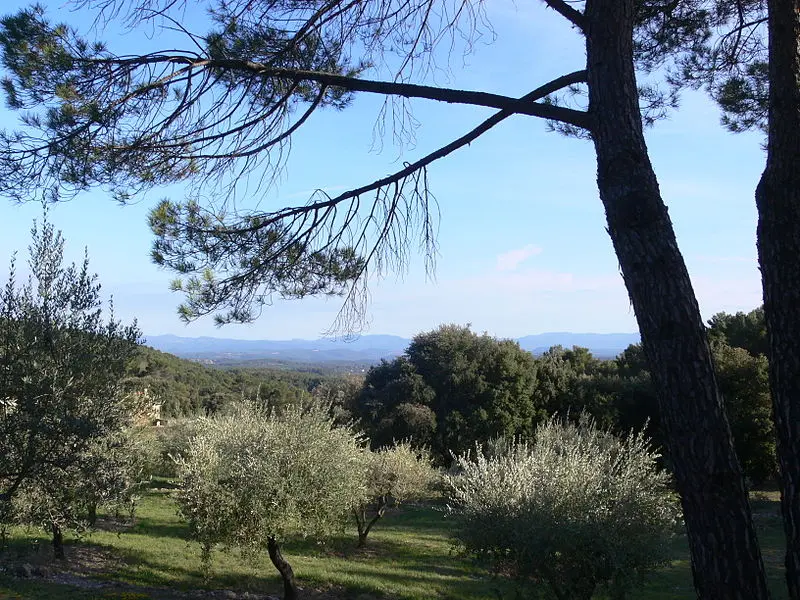
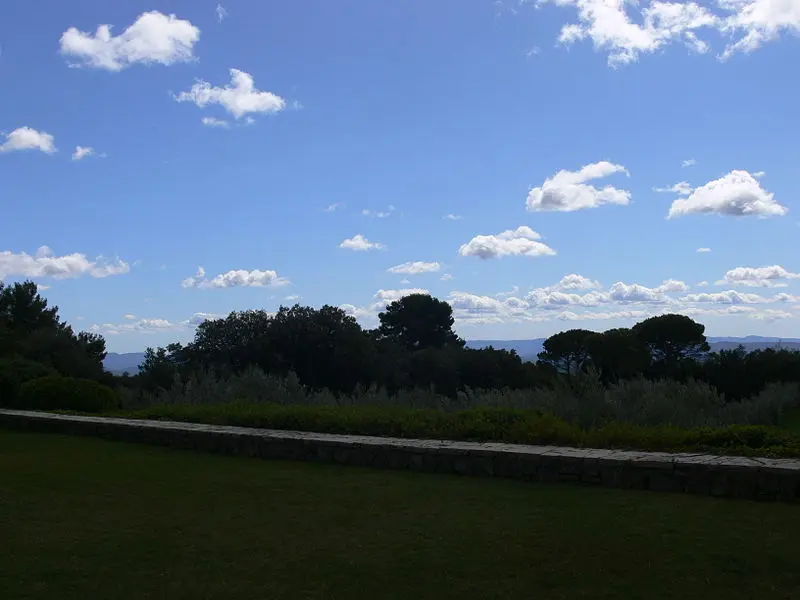
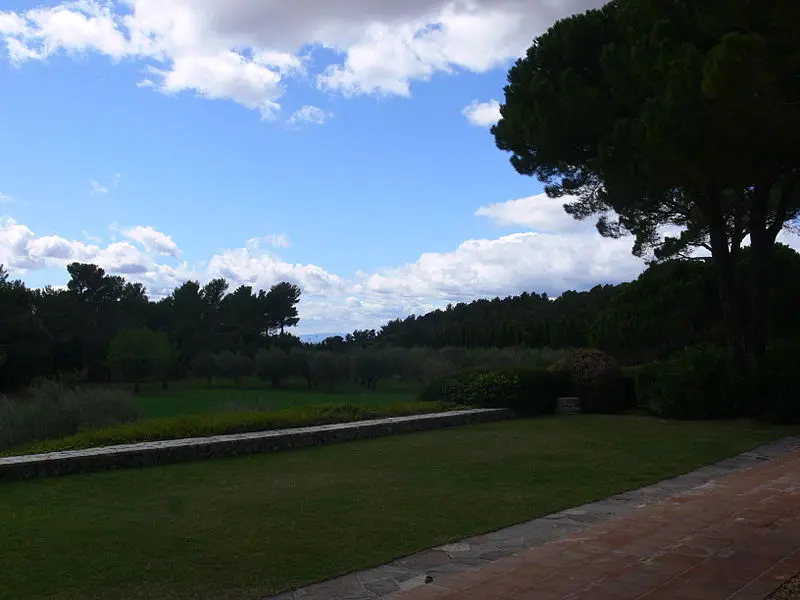
To welcome and house visitors to the Foundation, Anne Gruner Schlumberger embarks on the renovation or construction of a dozen houses in Provencal style, in harmony with the surrounding nature. She joins forces with the architect Pierre Barbe. The works, distributed from 1960 to the 1980s, was carried out in four phases with three levels of intervention by the project manager, ranging from the restoration of old houses (such as Gisclard) or from the use of an existing base (La Grande Maison) to the complete creation ex Nihilo (Barjeantane). The set includes three organized zones from north to south: in the south, Barjeantane, the home of the owner, represents the heart of the estate. In the center, the large house, dedicated to work and conviviality spaces, is the main place of life in community. To the north are the most recent houses. The project promotes the use of rustic materials and local know-how, while being designed with plans adapted to specific uses. The architecture of the domain marries modern functionalism (simplicity of lines and volumes, efficiency of means, modular spaces), a regional syntax, as well as erudite and varied influences of ancient architecture (such as patio, integration of Roman vestiges) or classic (with recurrent galleries and topiary art in gardens). The landscape of Treilles, drawn by the landscape designer Henri Fisch, is organized on three levels: a garden close around houses and panoramic views on the surrounding landscape, influenced by the Renaissance of traditional agriculture (production of wine and olive oil). Finally, works of art commissioned in Takis, as well as sculptures of Ernst or Lalanne, installed by the founder or by the artists themselves, participate in the definition of the surrounding landscape.


