Reference
PA00105452
Latitude
46.69944
Longitude
0.42861
Address
35 Impasse Soubise 86130 Dissay
Construction era
4e quart 15e siècle;18e siècle;4e quart 19e siècle;1er quart 20e siècle
Protection date
1967/08/21 : inscrit MH ; 1989/05/09 : classé MH
Protection cause
Les jardins (cad. AX 115) : inscription par arrêté du 21 août 1967 - Le château et ses communs (écuries) ; les douves avec leurs ponts (cad. AX 2, 3) : classement par arrêté du 9 mai 1989
Description
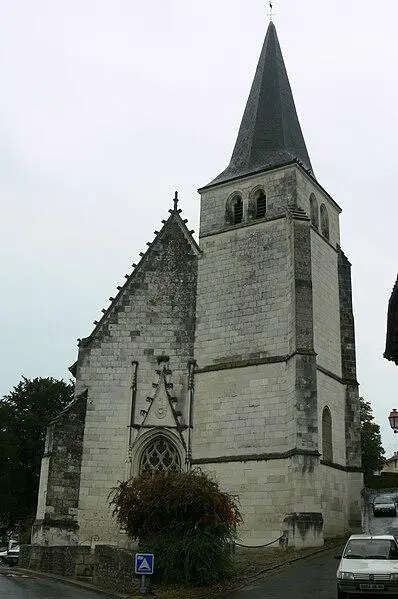
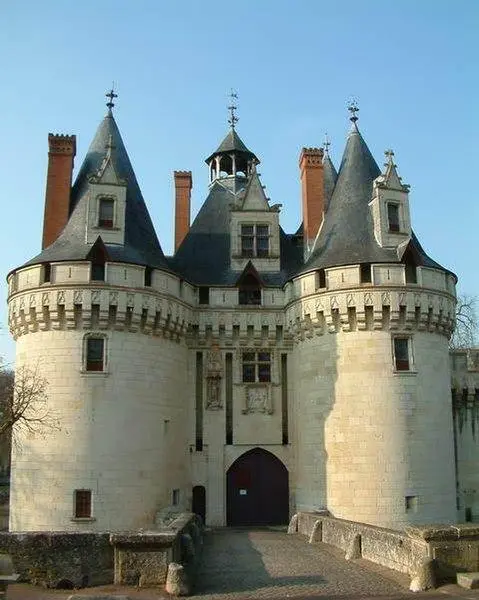
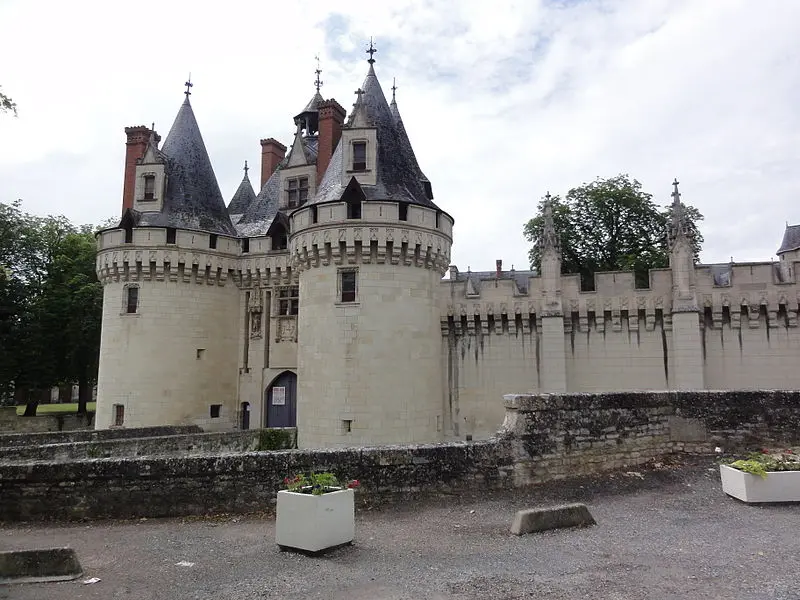
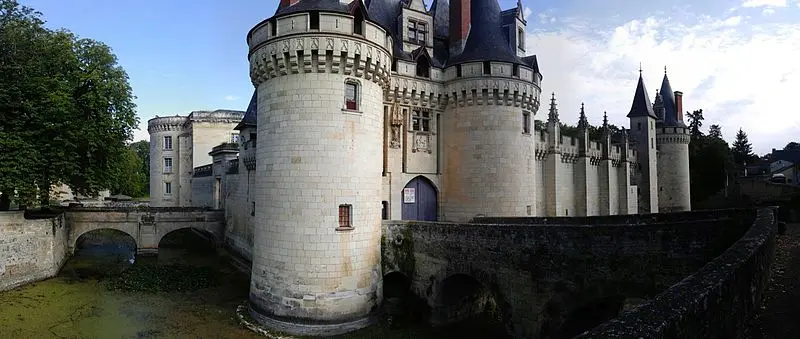
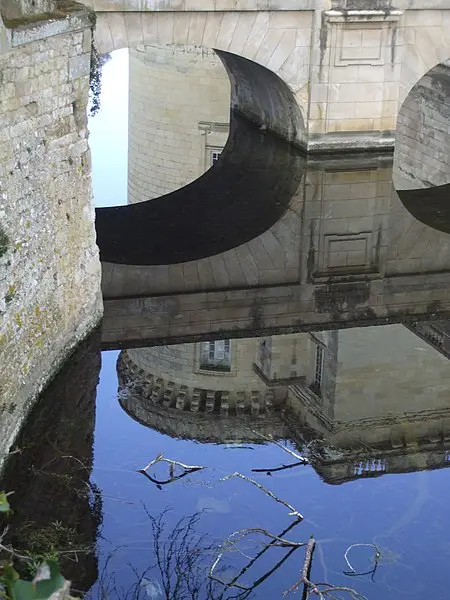
Dissay was the summer residence of the bishops of Poitiers. The castle was built at the end of the 15th century by Pierre d'Amboise. The building is almost intact, apart from a restoration. The old collegiate church was demolished to make way for a shelter wall decorated with pinnacles. The original plan included a large quadrilateral with four large round towers at the corners. Two sides were occupied by the main building, one third by the chapel of the collegiate church and the entrance protected by two laps. The fourth side was probably intended for dependencies. The personal chapel of the bishop was located in one of the corner towers near the collegiate church. Douves surround the castle. In the 18th century, changes were made to this plan. The southern side has been removed to allow direct access to dependencies built outside the moats. On the north side, part of the 15th century building was replaced by a structure with a gallery. The Ooratory of Amboise Pierre has a rectangular shape, covered with vaults in crosses of warheads with ivy. The choir has a polygonal shape. This oratory is decorated with frescoes showing the theme of devotion to the redemptor of the blood of Christ: the fountain of Mercy, a subject common in the 15th and early 16th century. The 15th century stained glass panels from the collegiate church were reinstalled in the 18th century gallery of the castle. These stained glass illustrates the life of Christ.