
Reference
PA00105493
Latitude
46.427447
Longitude
0.590496
Address
5118 La Forge 86410 Lhommaizé
Construction era
17e siècle;3e quart 18e siècle
Protection date
1990/05/21 : inscrit MH ; 1991/12/20 : classé MH
Protection cause
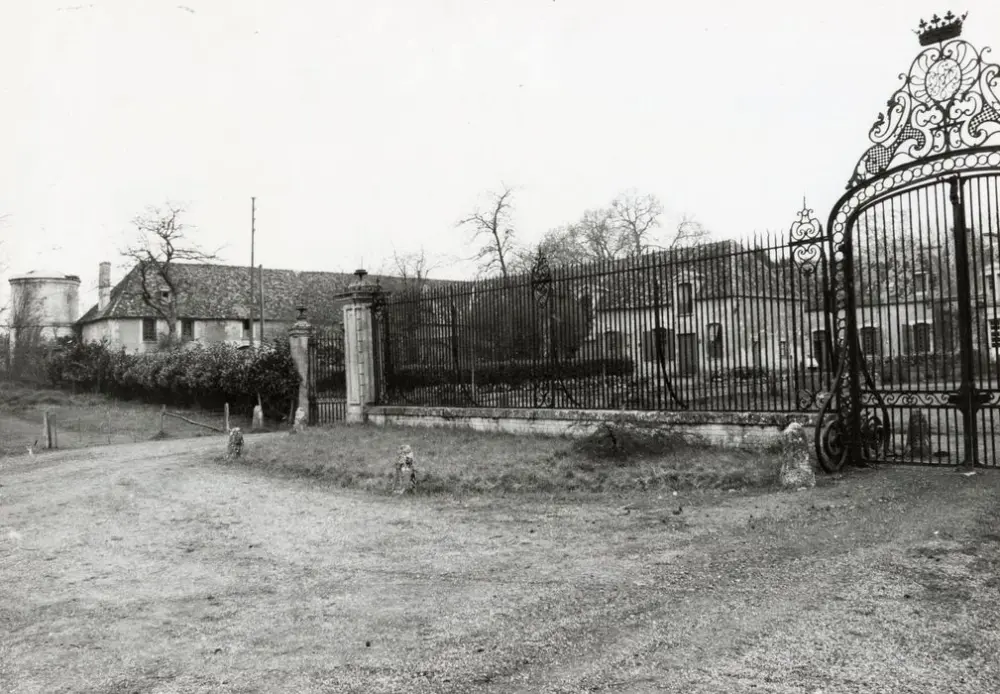
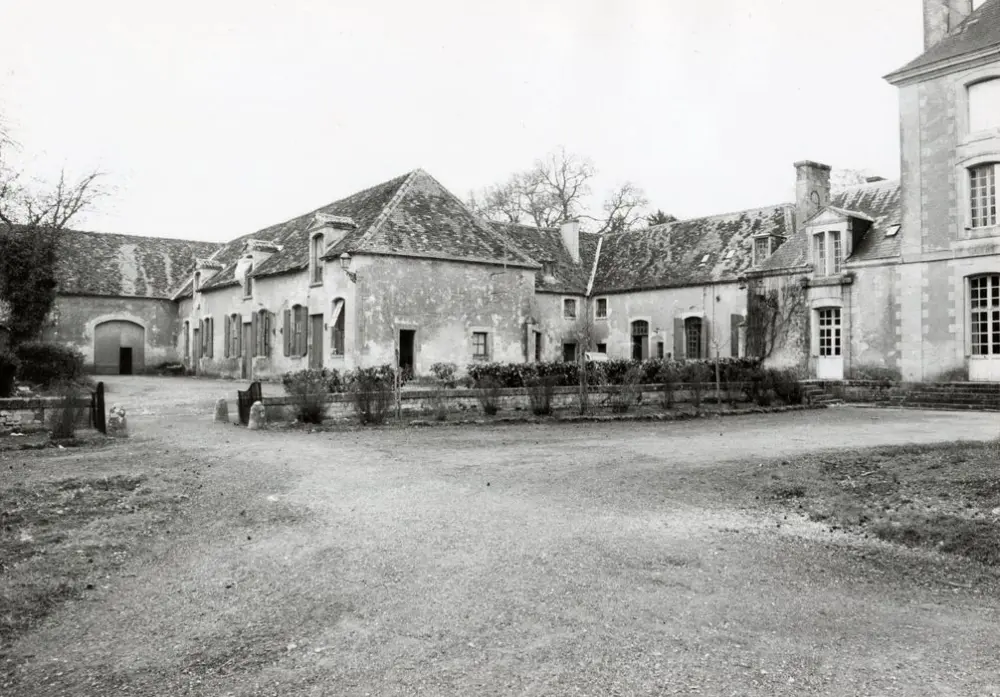
Parcelles du parc et parcelle G 169 abritant les vestiges du site industriel (cad. G 166, 167, 169 à 174, 177 à 181) : inscription par arrêté du 21 mai 1990 ; Château avec ses deux pavillons ; communs et fuye ; deux grilles d'entrée ; murs de clôture du domaine et cour d'honneur (cad. G 166, 167, 170, 171, 174 à 176, 179, 181) : classement par arrêté du 20 décembre 1991
Description
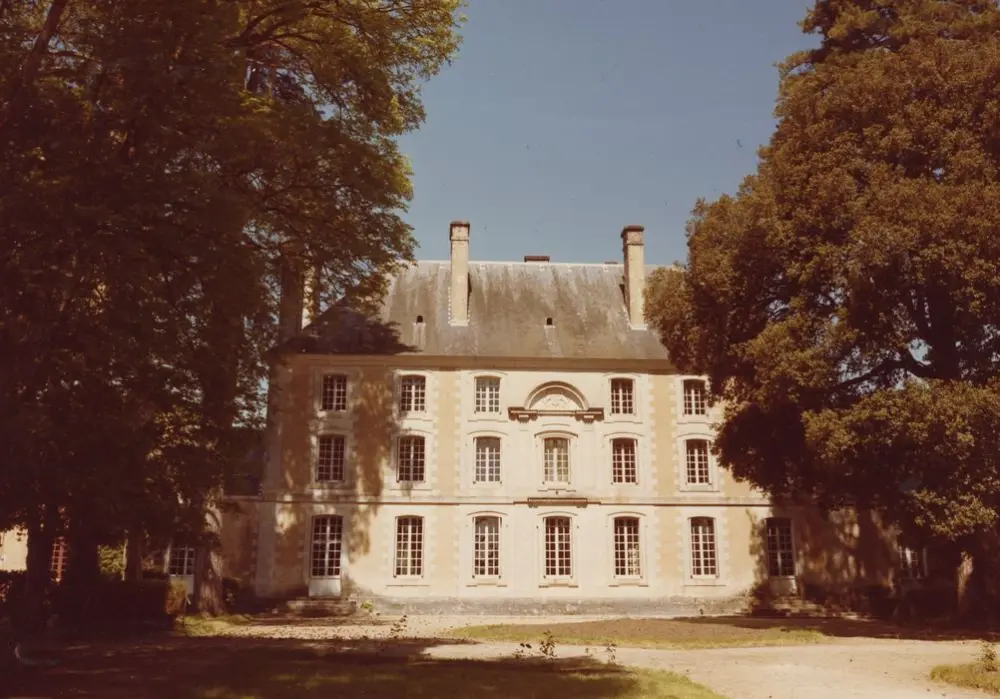
The forge of Verrières, founded around 1595, was completely rebuilt in 1661 for the Duke of Mortemart, in the Dive Valley, where a 20 hectare pond was created. Belonging to the Dukes of Mortemart until the Revolution, the forge was rented to the Robert de Beauchamps, a family of blacksmiths, who became the owners during the sale as a national property. In 1798, near the Château du Maître Forgeron, built between 1764 and 1768, there was a forge workshop with three households, two refineries, a boiler room, a high furnace, two coal halls, a castine hall, a barn, an iron store, housing and other outbuildings. The iron and melting products were sold in the region. The activity of the company ceased in 1886, and the buildings were either demolished or transformed to house a distillery. In 1901, a hydroelectric power station was built to provide electricity to the municipalities of LHOMMIZÉ and VERRIÈRES. The distillery stopped its activities in 1910, and the buildings were then used as agricultural dependencies. The whole constituted by the Master Blacksmith's accommodation and the vestiges of the industrial site has a great archaeological and historical interest; This metallurgical exploitation played a major role in the Poitou industry.