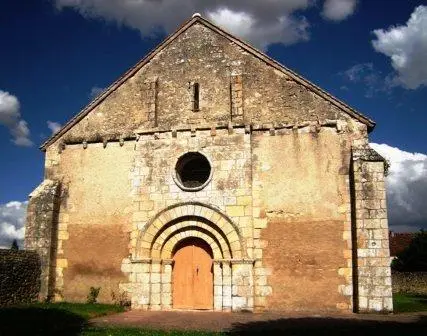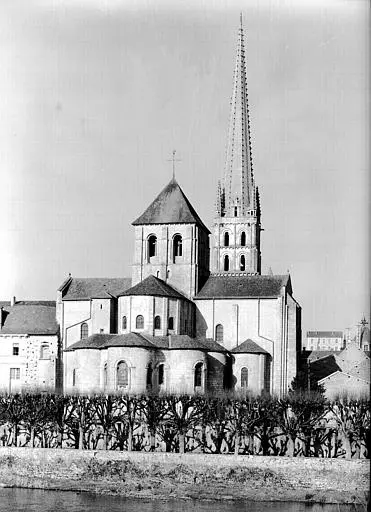
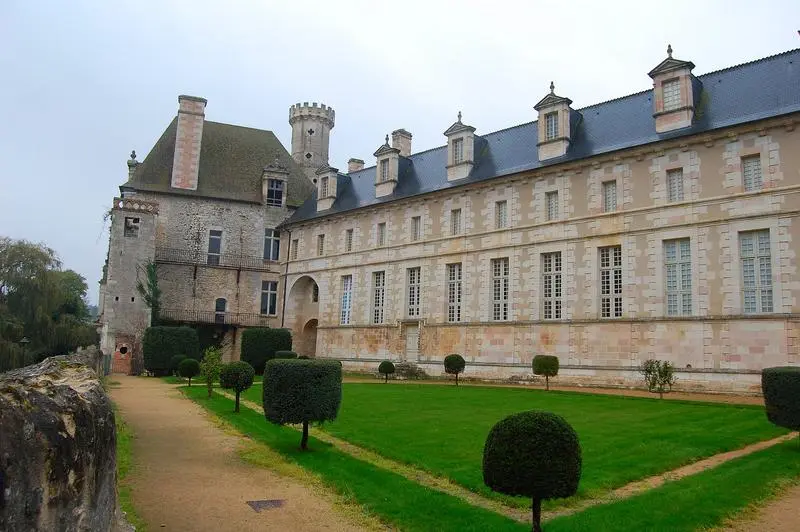
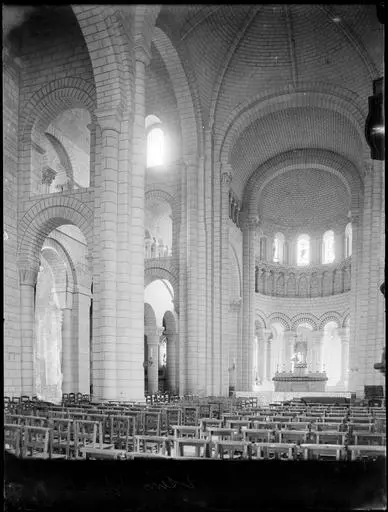
Saint-Savin : Former abbey church
VienneReference
PA00105712
Latitude
46.564850722404
Longitude
0.86602096065281
Address
9 Impasse de l'Église 86310 Saint-Savin
Construction era
2e moitié 11e siècle
Protection date
1840 : classé MH
Protection cause
Eglise : classement par liste de 1840
Description
The Abbey of Saint-Savin was established at the beginning of the 9th century at the place where the graves of two Christian martyrs, Savin and Cyprien, who lived in the 5th century were found in the 5th century. The construction of the current abbey church took place between 1040 and 1090, in the second half of the 11th century. The building has a varied architecture; Its different sections (two crypts, a transept, a bedside, a nave divided in half, a bell tower-porch, and a staircase turret) illustrate the different phases of its construction. After being damaged during the Hundred Years War, the abbey suffered restorations in the 14th and 15th centuries. In the 16th century, she almost was destroyed, but was saved. The arrival of the Congregation of Saint-Maur in 1640 allowed a revival for the abbey, with restoration work on the bell tower and new furniture, among others. Renovations took place in the 19th and 20th centuries, including the restoration of the crossroads of the transept and its paintings, as well as those of the crypt between 1981 and 1995.