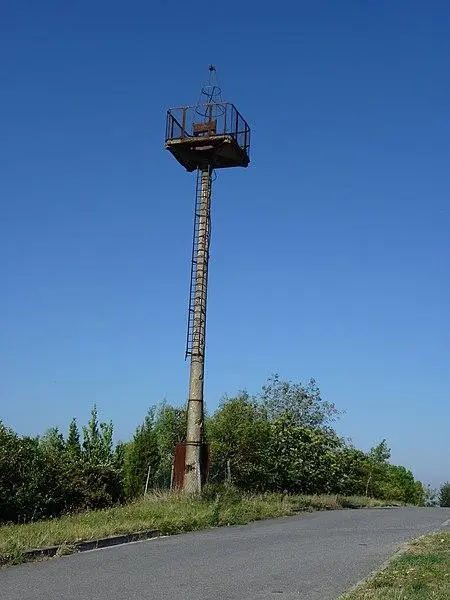
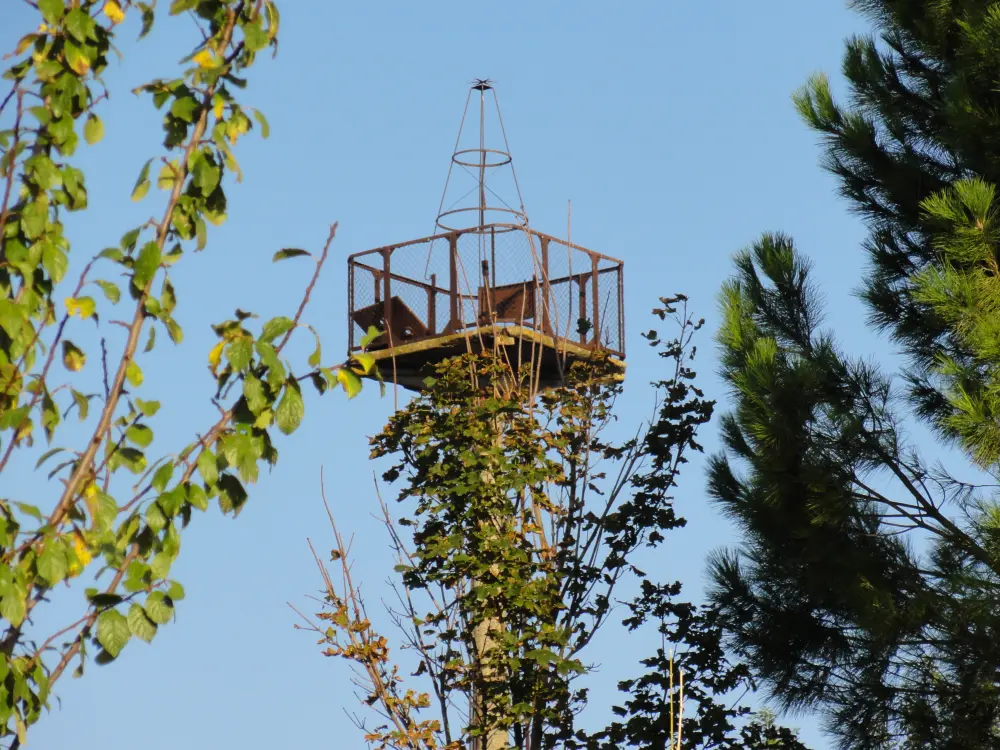
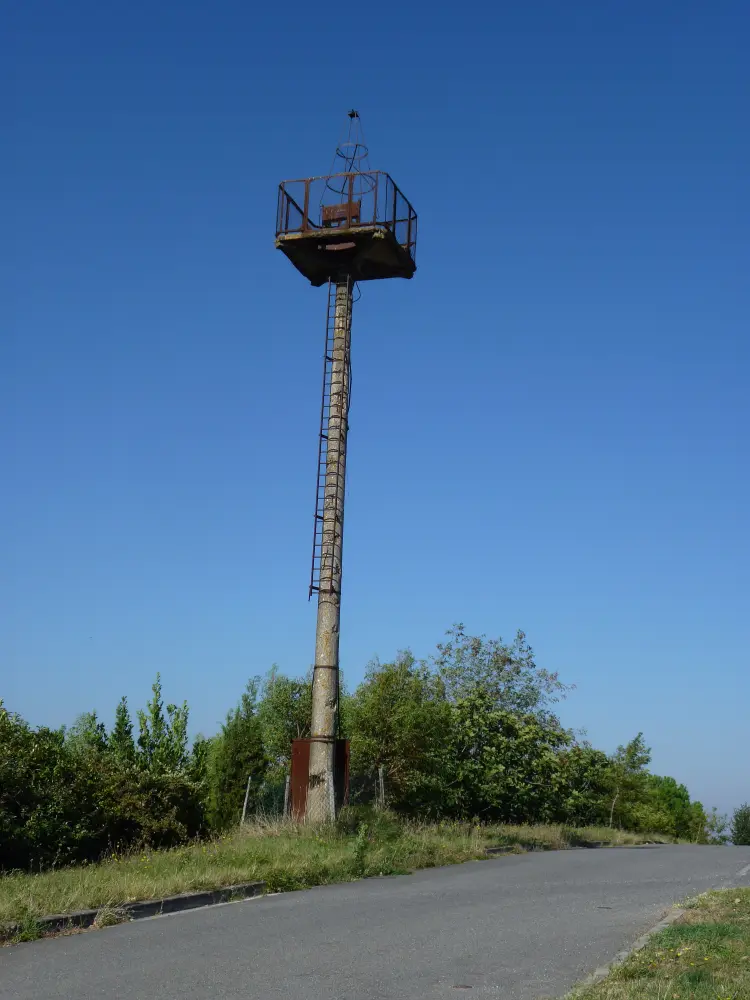
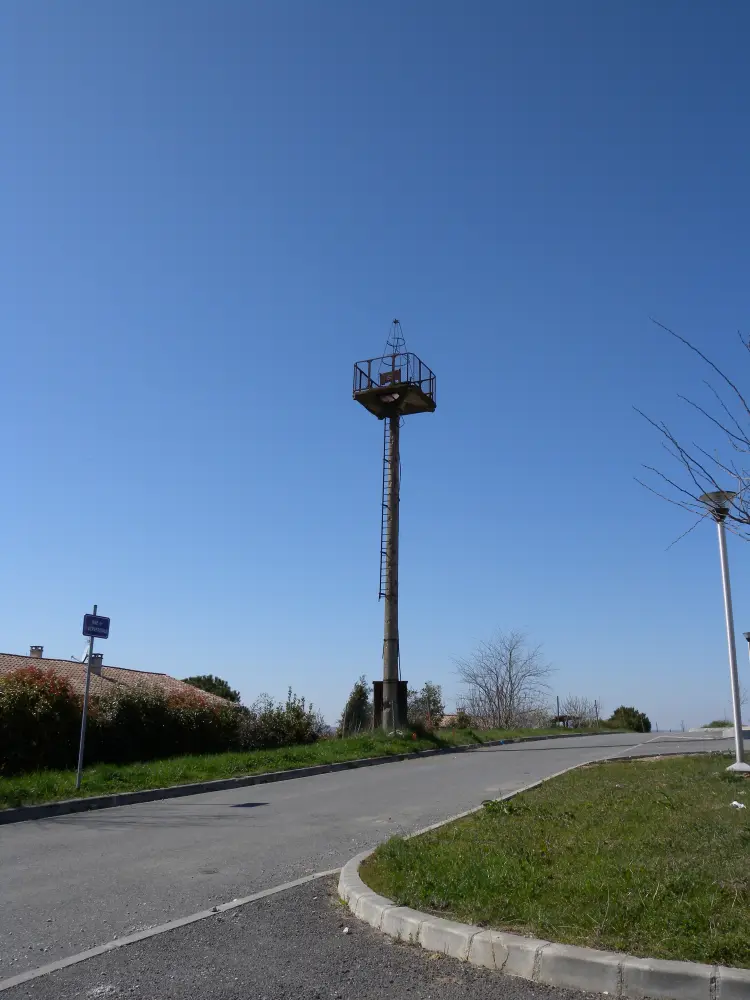
Baziège : Aeronautical lighthouse located Côte de Monteerre
Haute-GaronneReference
PA31000087
Latitude
43.45636685
Longitude
1.62234193
Address
22 Rue de l'Aéropostale 31450 Baziège
Construction era
2e quart 20e siècle
Protection date
2010/08/06 : inscrit MH
Protection cause
Le phare aéronautique (cad. I 748) : inscription par arrêté du 6 août 2010
Description
In the 1920s, a network of air headlights, known as "night flight", was established along the main roads, including the Latécoère lines, which transported the mail from Toulouse-Montaudran to Africa and South America. The Baziège lighthouse, located on the Toulouse-Narbonne route, served as a benchmark for renowned pilots such as Mermoz, Saint-Exupéry and Guillaumet. Built around 1925 (or in 1932, after the bankruptcy of the Aéropostale in 1931), it was made of concrete and marked the start of the Latécoère lines. It is one of the three still existing headlights in Midi-Pyrénées, while the others, numerous in the region, have disappeared or are strongly damaged. Its historical importance is indisputable, because it represents a crucial step in the evolution of aeronautics and flight techniques, which have found a real field of experimentation in the heart of the Toulouse region. This lighthouse also symbolizes the "night flights" produced by the aviation pioneers. In addition, it represents a specific flight technique, going from one luminous benchmark to another, which disappeared with the Second World War.