Le Grand-Quevilly : House of foreman of the company A. André son, known as Maison Perret
Seine-MaritimeReference
PA76000015
Latitude
49.42732851
Longitude
1.03081295
Address
394 Boulevard Stalingrad 76120 Le Grand-Quevilly
Construction era
1er quart 20e siècle
Protection date
1996/09/30 : inscrit MH
Protection cause
Maison (cad. AB 27) : inscription par arrêté du 30 septembre 1996
Description
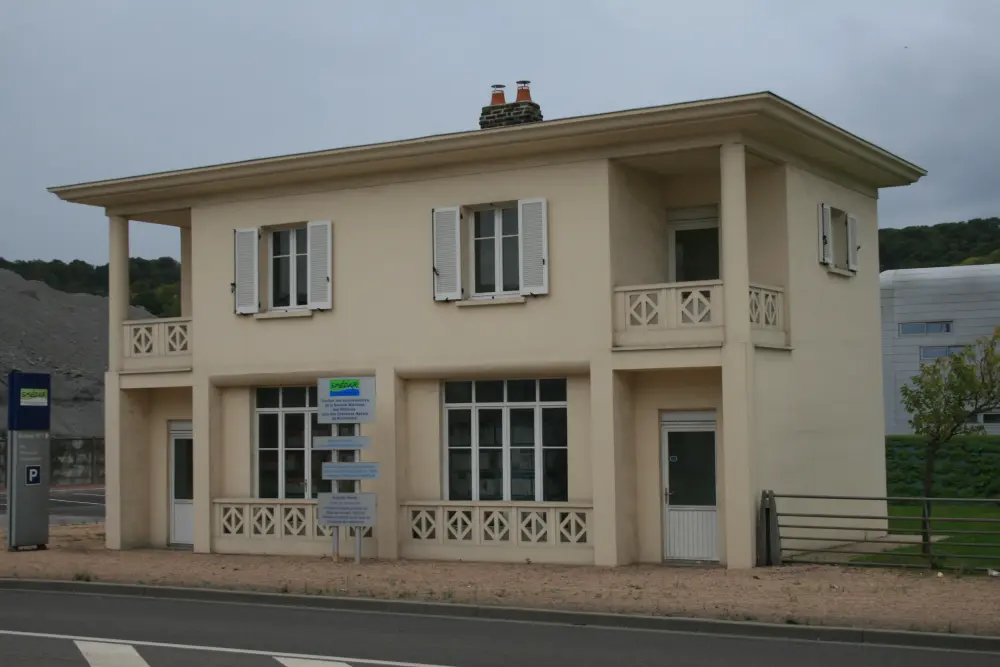
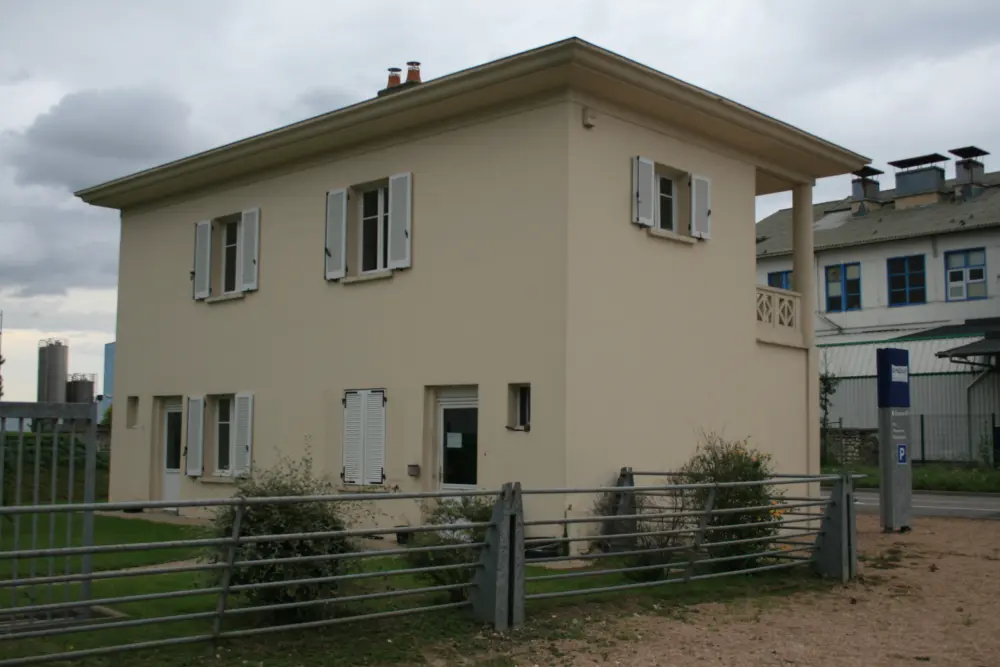
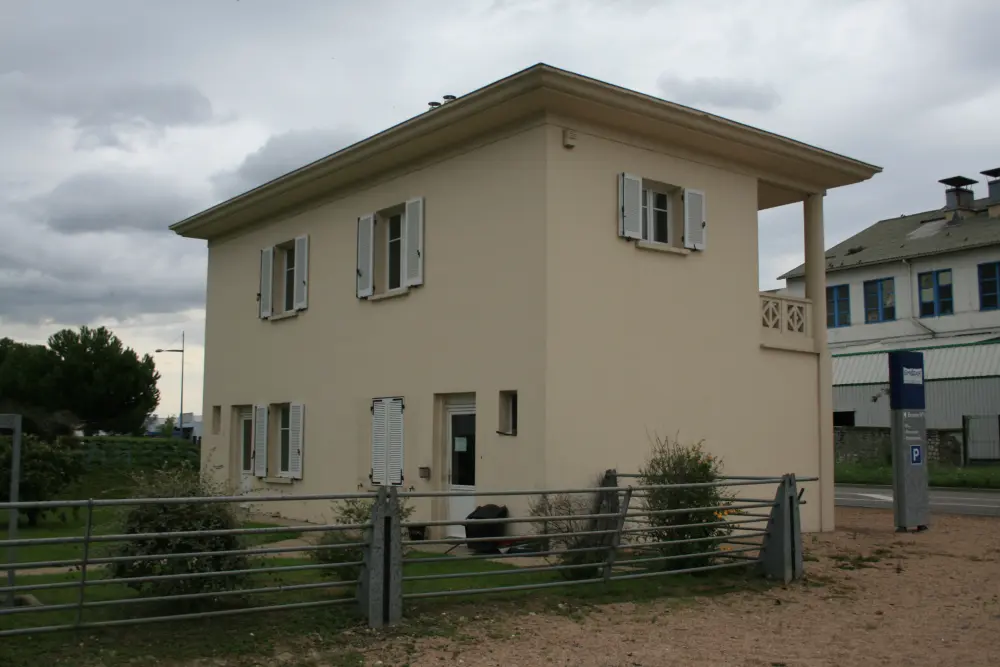
In 1904, the company A. André Son obtained the right to exploit an oil refinery near Normandy sites, but its activity really began in 1908. In 1922, the Maritime Oil Society took over from A. André and son. The same year, Auguste Perret was responsible for building houses for the factory director and foremen. Rectangular shaped houses are built for the latter, with a square floor and a terrace roof. Reinforced concrete is used for structure, staircase and exterior walls, while flint is used for foundations and full brick for interior walls. The director's house follows a similar design. In 1925 and 1926, these dwellings were highlighted in specialized journals living architecture and modern construction. In 1929, the Maritime Oil Society was integrated into the Jupiter Oil Society. On June 9, 1940, refining facilities were destroyed by a fire before the arrival of German troops. Currently, the Van Leer boilermaking factory has been established in this location, reusing the former director's house as a works council and union room. The houses of foremen belong to a waste incineration plant which was recently built on the site of the shipyards of Normandy. This construction illustrates discussions on the production of economic housing in series at the beginning of the 20th century and has a historical value for workers' housing.