
Reference
PA00105414
Latitude
46.554510570829
Longitude
0.63504077368409
Address
9001 Les Eglises 86300 Chauvigny
Construction era
11e siècle;12e siècle
Protection date
1952/09/17 : classé MH ; 1952/11/13 : classé MH
Protection cause
L'église : classement par arrêté du 17 septembre 1952 ; Le cimetière et les terrains constituant la berge (entre le cimetière et la Vienne) (cad. I 296 à 298) : classement par arrêté du 13 novembre 1952
Description
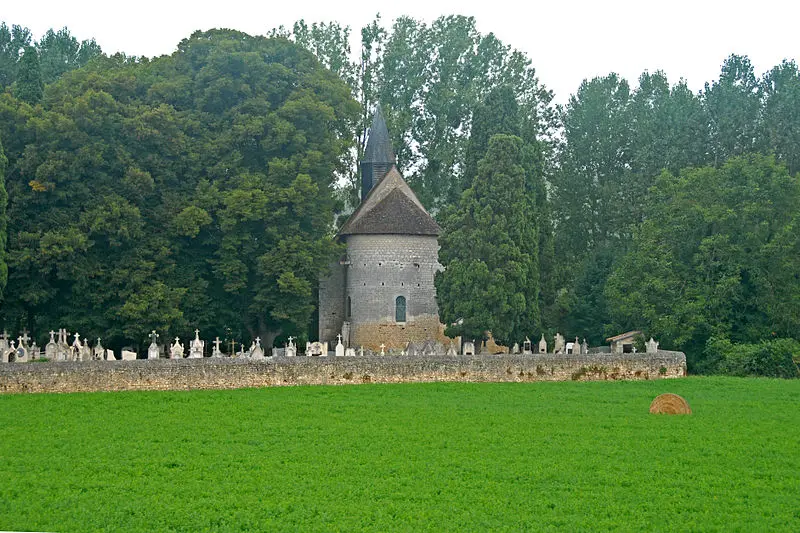
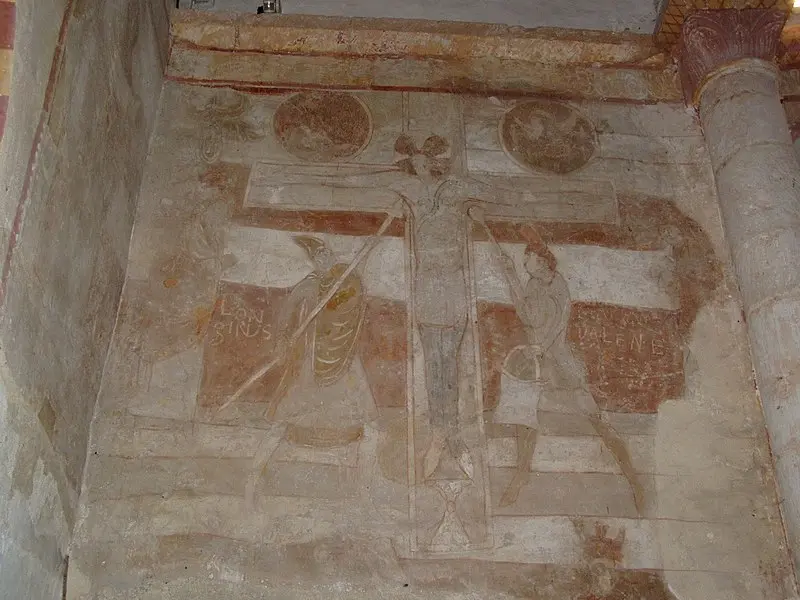
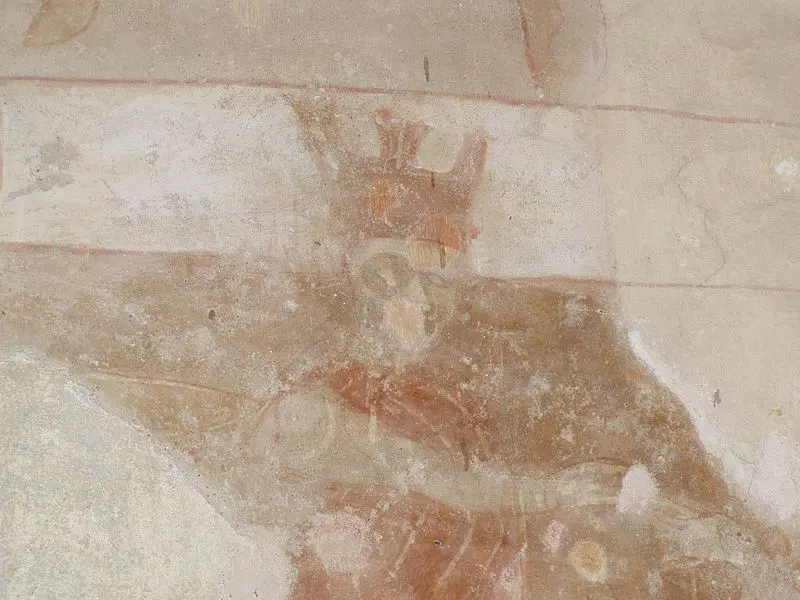
This pre-Roman church has frescoes dating from before the year 1000, making it one of the oldest in Europe. The cemetery surrounding the church houses decorated Merovingian sarcophagi. At that time, a church was already standing at the center of the Christian cemetery. A 12th century document mentions that the church was built with the remains of a temple dedicated to the deities protecting navigation on Vienna. The masonry observed above the windows indicates that there was a new construction phase, making it possible to conclude that the choir was raised when it was vaul in the Romanesque time. This novel style is above the upper level of the murals that embellish the choir (the columns began to surround the painted side windows). These frescoes, updated during their discovery under a brush in 1851, illustrate scenes such as the Bath of the Child Jesus, the miracle maternity of the Virgin, the Crucifixion, Herod welcoming the mages, the Visitation, and the worship of the Magi. They may be Carolingian works.


