Serdinya : Saint-Marcel Church of the hamlet of Flassa
Pyrénées-OrientalesReference
PA00104130
Latitude
42.57391195
Longitude
2.31268589
Address
189 Flaca 66360 Serdinya
Construction era
11e siècle
Protection date
1987/07/06 : classé MH
Protection cause
Eglise Saint-Marcel du hameau de Flassa (cad. A 713) : classement par arrêté du 6 juillet 1987
Description
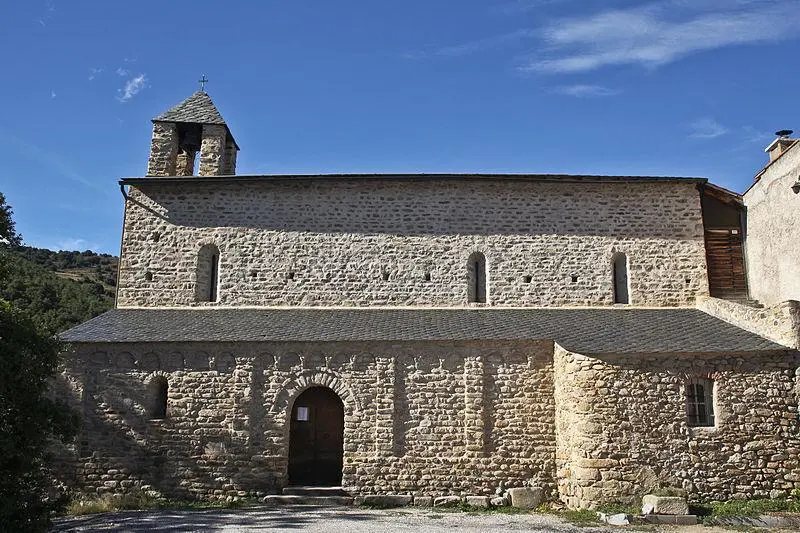
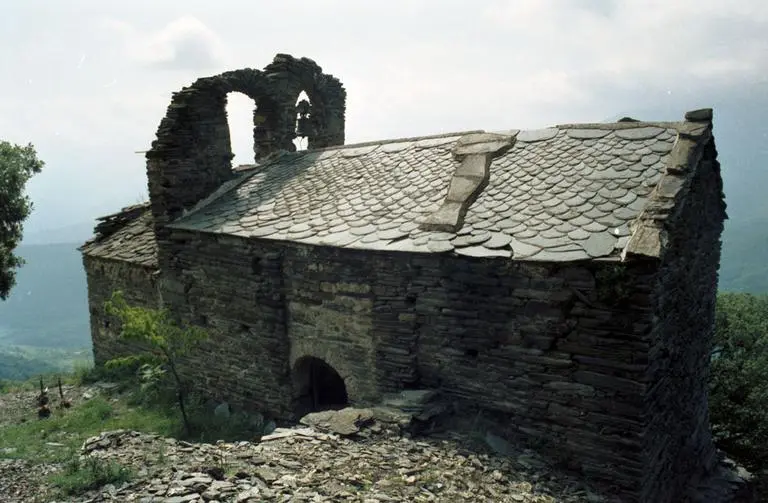
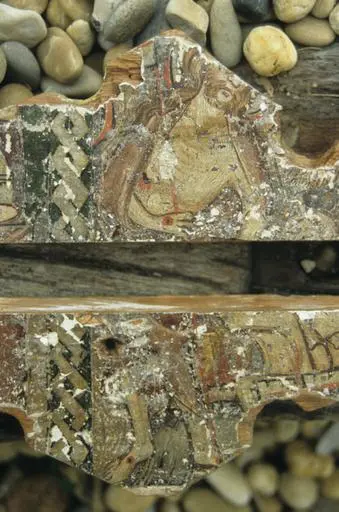
The church was documented for the first time in 1163, although its architectural style reveals features of the 11th century. The single nave ends with an oriented rectangular bedside. On the north wall, in the central part, is the front door framed by a semicircular arc with tuff keystones. At the crossroads of the nave and the bedside stands, above the roof, a bell tower with two arcades. The bedside, faithful to the tradition of the pre-roman churches of Languedoc-Roussillon, displays a particularly unique architectural decoration: its two side walls and its oriental gable wall are decorated with an arcature Lombard, where the small arches are arranged to follow the slope of the gable. These arcs are made of a clear tuff and it seems that an attempt at polychromy was made to the north, with the addition of red stones inside the hangers. Originally, the nave was covered with a cradle vault resting on double arcs, before being replaced by a farm frame. The choir is separated from the nave by a diaphragm wall with a semicircular cradle vault, covered with paintings representing criminal patterns and clouds (16th or 17th century).