
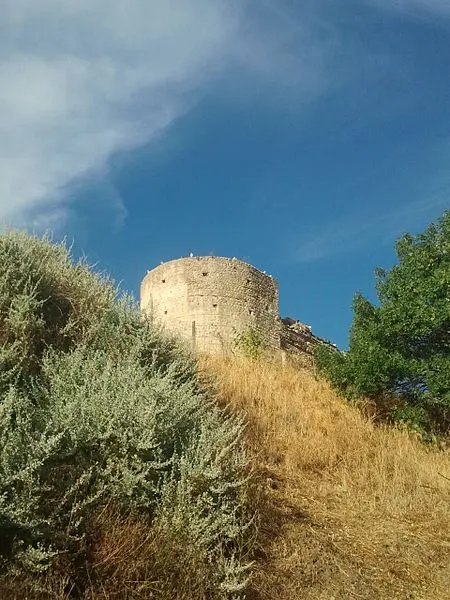
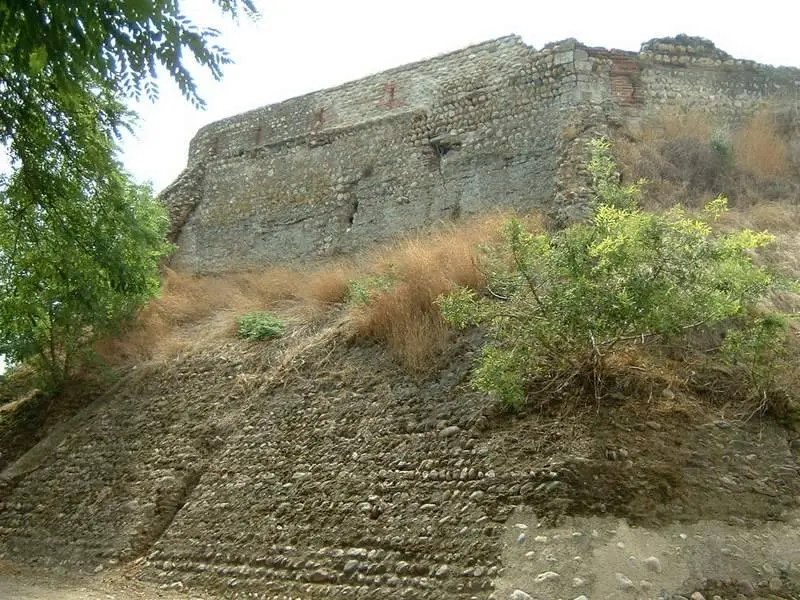
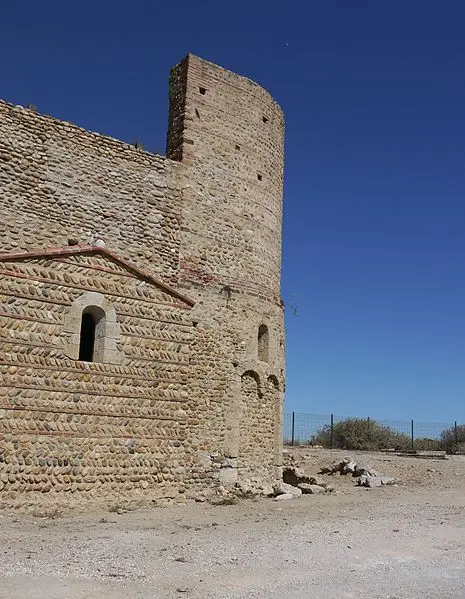
Canet-en-Roussillon : Ruins of the old castle
Pyrénées-OrientalesReference
PA00103978
Latitude
42.7068
Longitude
3.0086
Address
27 Rue Jeanne d'Arc 66140 Canet-en-Roussillon
Construction era
12e siècle;14e siècle;16e siècle;17e siècle
Protection date
1984/12/05 : inscrit MH
Protection cause
Château (ruines de l'ancien) (cad. AI 95) : inscription par arrêté du 5 décembre 1984
Description
Due to its situation near the coast and the lower valley of the Têt, the Citadel of Canet benefited from the attention of the Kings of Mallorca then from Aragon, who sought to keep loyal vassals by offering them many privileges. The analysis of ruins indicates that solid fortifications built in pebbles in the 11th or 12th century were completed in the 14th century by reinforced brick walls. Among the residential buildings erected between the 16th and the 17th century, only the underground cooler is still standing. The shape of the enclosure is that of an irregular trapezoid, protected by short archères made bricks brick. In the south, a large opening replaces the old door, which was preceded by advanced works of which few traces remain. A round tower, possibly the old dungeon, left its base in the western part of the enclosure. Between the church and the north wall, a dome covers a deep underground circular work which probably served as a cooler. The chapel of the castle was built towards the end of the 11th century, and its apse, embellished small Lombard arcades outside, was raised in the form of a tower in the 14th century.


